Overview of Cardiovascular Health Benefits of Running
Running is a fantastic form of exercise that offers numerous benefits for cardiovascular health. It is known to improve heart function and strengthen the circulatory system, leading to a reduced risk of heart disease and other cardiovascular conditions.
Improved Heart Function
Running helps to strengthen the heart muscle, making it more efficient at pumping blood throughout the body. This increased efficiency can lead to a lower resting heart rate and improved overall cardiovascular function.
Enhanced Circulatory System
Regular running can also improve circulation by increasing the flexibility and efficiency of blood vessels. This helps to reduce the risk of developing conditions such as high blood pressure, stroke, and heart attack.
Reduced Risk of Heart Disease
Studies have shown that individuals who engage in regular running have a lower risk of developing heart disease compared to those who lead a sedentary lifestyle. Running can help to lower cholesterol levels, reduce inflammation, and improve overall cardiovascular health.
Impact of Running on Healthy Habits
Running is not only beneficial for cardiovascular health but also plays a significant role in promoting a healthy lifestyle. The impact of incorporating running into your routine goes beyond physical fitness and extends to overall well-being.
Enhances Physical Health
- Regular running can boost metabolism, improve endurance, and strengthen muscles, leading to better overall physical health.
- Running helps in maintaining a healthy weight by burning calories and reducing the risk of obesity-related conditions.
- It also enhances lung capacity and promotes better respiratory function.
Boosts Mental Well-being
- Running can act as a stress reliever by releasing endorphins, known as the “feel-good” hormones, which help in reducing anxiety and improving mood.
- It can also enhance cognitive function, memory, and focus, contributing to better mental health.
- Running outdoors can provide a sense of connection with nature, promoting relaxation and reducing mental fatigue.
Encourages Healthy Habits
- Incorporating running into your routine can motivate you to adopt other healthy habits such as a balanced diet and proper hydration.
- Setting running goals and tracking progress can instill discipline and accountability, leading to a more structured and health-conscious lifestyle.
- Joining running groups or communities can provide social support, accountability, and motivation to maintain overall health and wellness.
Emotional Wellbeing and Running
Running is not only beneficial for our physical health but also plays a crucial role in enhancing our emotional wellbeing. The connection between running and emotional wellness is well-documented, with numerous studies highlighting the positive impact of running on reducing stress levels and improving overall mood.
Reducing Stress Levels
- Running has been shown to release endorphins, also known as “feel-good” hormones, which can help reduce feelings of stress and anxiety.
- Engaging in regular running sessions can act as a form of meditation, allowing individuals to clear their minds and focus solely on the present moment.
- The rhythmic motion of running can have a calming effect on the mind, helping individuals cope with daily stressors more effectively.
Improving Mood
- Running has been linked to an increase in serotonin levels, a neurotransmitter that plays a key role in regulating mood and emotional wellbeing.
- Individuals who incorporate running into their routine often report feeling a sense of accomplishment and satisfaction, which can contribute to a more positive outlook on life.
- The social aspect of running, such as participating in group runs or races, can also boost mood by providing a sense of community and support.
Running and Healthy Aging
Running is not only beneficial for cardiovascular health, but it also plays a crucial role in promoting healthy aging. As we age, our bodies undergo various changes, and incorporating running into our fitness routine can help mitigate age-related health issues.
Effects of Running on Healthy Aging
- Improves cardiovascular health: Running helps strengthen the heart and improve circulation, reducing the risk of heart disease and stroke.
- Boosts bone density: Weight-bearing exercises like running can help maintain bone density and reduce the risk of osteoporosis as we age.
- Enhances cognitive function: Regular running has been linked to improved cognitive function and a reduced risk of age-related cognitive decline.
- Promotes muscle strength: Running helps maintain muscle mass and strength, which tend to decline with age, promoting overall physical function.
Tips for Seniors Incorporating Running
- Consult with a healthcare provider: Before starting a running routine, seniors should consult with their healthcare provider to ensure it is safe for them.
- Start slow: Begin with a walk-run approach and gradually increase the intensity and duration to prevent injury.
- Invest in proper footwear: Seniors should invest in supportive running shoes to reduce the risk of joint pain and other injuries.
- Listen to your body: It’s essential to listen to your body and rest when needed to prevent overexertion and injury.
Active Lifestyle and Running
Running plays a significant role in promoting an active lifestyle by encouraging regular physical activity and exercise. It provides numerous benefits that contribute to overall health and wellbeing.
Enhancing Physical Activity Levels
- Running helps increase cardiovascular fitness, endurance, and strength, leading to improved overall physical health.
- Regular running sessions can boost metabolism, burn calories, and aid in weight management, thus promoting a healthier lifestyle.
- Engaging in running promotes better sleep patterns and enhances energy levels, allowing individuals to stay active throughout the day.
Importance of Regular Exercise
- Regular exercise, such as running, is essential for maintaining a healthy heart, reducing the risk of cardiovascular diseases, and improving blood circulation.
- Running helps strengthen muscles, bones, and joints, reducing the likelihood of injuries and enhancing overall physical function.
- By incorporating running into daily routines, individuals can establish healthy habits that lead to a more active and fulfilling lifestyle.
Cardiovascular Health Maintenance through Running
Regular running is a powerful tool in maintaining cardiovascular health. It offers a range of benefits that contribute to a strong and healthy heart, ultimately reducing the risk of cardiovascular diseases.
Long-Term Benefits of Running for the Heart
- Improves heart function: Running strengthens the heart muscle, enabling it to pump blood more efficiently throughout the body.
- Reduces cholesterol levels: Regular running helps lower bad cholesterol (LDL) levels and increase good cholesterol (HDL) levels, reducing the risk of plaque buildup in the arteries.
- Regulates blood pressure: Running helps maintain healthy blood pressure levels, reducing the strain on the heart and lowering the risk of hypertension.
- Enhances circulation: The increased blood flow during running improves circulation, delivering more oxygen and nutrients to the body’s cells and organs.
Role of Running in Preventing Cardiovascular Diseases
- Prevents atherosclerosis: Running helps prevent the buildup of plaque in the arteries, reducing the risk of atherosclerosis and related cardiovascular conditions.
- Reduces inflammation: Regular aerobic exercise like running has anti-inflammatory effects, protecting the heart from inflammation-related damage.
- Manages weight: Running helps burn calories and maintain a healthy weight, reducing the risk of obesity and obesity-related heart diseases.
- Improves overall heart health: The combination of improved heart function, lowered cholesterol levels, regulated blood pressure, and enhanced circulation all contribute to the overall health of the heart.
Healthy Recipes for Runners
Cardiovascular health benefits of running – As a runner, it is essential to fuel your body with the right nutrients to support your performance and cardiovascular health. A balanced diet plays a crucial role in helping you reach your fitness goals and maintain overall well-being.
Nutritious Pre-Run Snack Ideas
- Whole grain toast with almond butter and banana slices
- Greek yogurt topped with berries and a sprinkle of chia seeds
- Homemade energy bars with oats, nuts, and dried fruits
Post-Run Recovery Meals
- Grilled chicken with quinoa and roasted vegetables
- Salmon salad with mixed greens, avocado, and a lemon vinaigrette
- Veggie stir-fry with tofu and brown rice
Hydration and Electrolyte-Rich Drinks
- Coconut water for natural hydration and electrolytes
- Fruit-infused water for added flavor and nutrients
- Homemade smoothies with spinach, banana, and almond milk for a post-run boost
Mental Resilience and Running
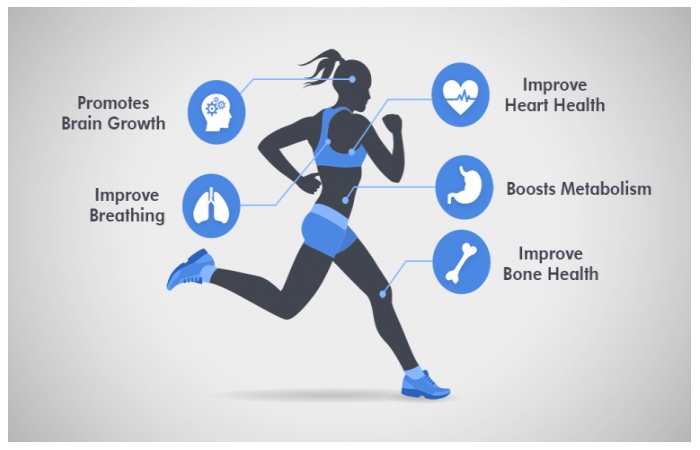
Running is not only beneficial for physical health but also plays a crucial role in enhancing mental resilience. The act of running regularly can have a profound impact on our psychological well-being, helping us to build mental strength and endurance in various aspects of life.
Building Mental Resilience Through Running
- Running challenges us both physically and mentally, pushing us to overcome obstacles and setbacks along the way.
- Consistent running can help improve our ability to cope with stress and adversity, making us more resilient in the face of challenges.
- Setting and achieving running goals can boost our confidence and self-esteem, fostering a positive mindset that can translate into other areas of our lives.
Psychological Benefits of Consistent Running
- Running releases endorphins, also known as “feel-good” hormones, which can help alleviate symptoms of anxiety and depression.
- Engaging in regular physical activity like running can improve our overall mood, reduce feelings of tension, and enhance our sense of well-being.
- Running can provide a sense of accomplishment and satisfaction, leading to a more positive outlook on life and increased resilience to mental health challenges.
Strategies for Using Running as a Tool for Mental Strength
- Practice mindfulness while running, focusing on the present moment and being aware of your thoughts and feelings without judgment.
- Use running as a form of stress relief, allowing yourself to let go of worries and concerns as you engage in physical activity.
- Join a running group or community to connect with others who share your passion for running, providing social support and a sense of belonging.
Immune Support and Running
Regular running not only benefits cardiovascular health but also plays a crucial role in supporting the immune system. Let’s explore the connection between running and immune system health and how it can boost overall immune function.
Boosting Immune Function, Cardiovascular health benefits of running
- Running has been shown to enhance the immune system by increasing the production of white blood cells, which are crucial in fighting off infections and diseases.
- Regular moderate-intensity running can help reduce inflammation in the body, thus supporting a stronger immune response.
- Engaging in physical activity like running can improve circulation and promote better lymphatic drainage, which aids in removing toxins from the body and supporting immune function.
Stress Relief through Running: Cardiovascular Health Benefits Of Running
Running is not only beneficial for cardiovascular health but also serves as an effective stress-reliever. The act of running allows individuals to clear their minds, focus on the present moment, and release built-up tension.
Physiological Effects of Running on Stress Reduction
- Running triggers the release of endorphins, also known as “feel-good” hormones, which help reduce stress and improve mood.
- Regular running can lower levels of cortisol, the stress hormone, in the body, leading to a decrease in overall stress and anxiety.
- Improved blood circulation during running helps deliver oxygen and nutrients to the brain, promoting mental clarity and reducing stress.
Supporting Evidence for Running as a Stress-Relief Activity
- A study published in the Journal of Adolescent Health found that adolescents who engaged in regular physical activity, such as running, reported lower levels of stress and anxiety.
- Personal anecdotes from runners often highlight how going for a run helps them unwind, clear their thoughts, and feel more relaxed afterwards.
- Research has shown that running can be an effective coping mechanism for dealing with stress, providing individuals with a sense of control and accomplishment.
Achieving Nutritional Balance as a Runner
Maintaining a balanced diet is crucial for runners to support their performance, aid in recovery, and promote overall health. Running regularly increases the body’s demand for nutrients, making it essential to pay attention to what you eat.
Nutritional Needs of Runners
- Adequate carbohydrates: Carbs are the primary fuel source for running, so ensure your diet includes whole grains, fruits, and vegetables to provide sustained energy.
- Protein for muscle repair: Incorporate lean protein sources like poultry, fish, eggs, and legumes to support muscle recovery after intense workouts.
- Healthy fats: Include sources of unsaturated fats like nuts, seeds, avocado, and olive oil to support heart health and reduce inflammation.
- Hydration: Stay well-hydrated before, during, and after runs to maintain performance and aid in recovery.
Meal Planning and Nutrient-Rich Foods
Planning your meals ahead of time can help ensure you meet your nutritional needs as a runner. Focus on including a variety of nutrient-rich foods in your diet to support your training and overall health.
Try to include a balance of carbohydrates, proteins, fats, vitamins, and minerals in each meal to meet your body’s demands.
- Pre-run meals: Opt for easily digestible carbohydrates and a small amount of protein to fuel your run without causing digestive discomfort.
- Post-run meals: Include a combination of protein and carbohydrates to aid in muscle recovery and replenish glycogen stores.
- Snacks: Choose nutrient-dense snacks like Greek yogurt, fruit with nut butter, or whole-grain crackers with hummus to keep energy levels stable between meals.
Questions Often Asked
How does running specifically benefit the heart?
Running strengthens the heart muscle, improves circulation, and helps reduce cholesterol levels, lowering the risk of heart disease.
Can running improve emotional well-being?
Yes, running releases endorphins that can reduce stress, improve mood, and boost mental health.
Is running suitable for seniors?
With proper guidance and precautions, running can be safely incorporated into a senior’s fitness routine to promote healthy aging.


More Stories