How to modify traditional recipes for healthier versions without sacrificing flavor is a question many home cooks grapple with. We all love the comforting tastes of familiar dishes, but often these recipes come with a hefty dose of fat, sugar, and calories.
This guide explores a world of possibilities, showing you how to transform your favorite meals into healthier, more nutritious options without compromising on flavor. You’ll discover how to make smart ingredient swaps, embrace flavorful herbs and spices, and utilize cooking techniques that enhance taste while promoting well-being.
From understanding the building blocks of flavor to exploring various dietary adaptations, we’ll navigate the art of healthy recipe modification together. You’ll gain the confidence to create delicious and nutritious dishes that nourish both your body and soul.
Understanding Flavor and Health
Traditional recipes have been passed down for generations, often embodying cultural heritage and culinary traditions. They often rely on ingredients that are readily available and have been proven to create delicious and satisfying dishes. However, these recipes may not always align with modern health recommendations.
By understanding the flavor profiles of traditional recipes and the nutritional value of their ingredients, we can modify them to create healthier versions without sacrificing taste.
Flavor Profiles in Traditional Recipes
Traditional recipes often feature distinct flavor profiles that are characteristic of their origin. These profiles are achieved through the careful combination of ingredients, cooking techniques, and spices. For example, Mediterranean cuisine emphasizes the use of olive oil, garlic, herbs, and lemon juice, creating a vibrant and aromatic flavor profile.
Asian cuisines often utilize soy sauce, ginger, garlic, and chili peppers, resulting in savory, umami-rich flavors.
Ingredient Contributions to Flavor
Different ingredients contribute to flavor in unique ways.
- Fats: Fats, such as butter, lard, and oil, add richness and mouthfeel to dishes. They also help to carry and enhance other flavors.
- Sugars: Sugars, like white sugar, brown sugar, and honey, provide sweetness and balance savory flavors. They can also contribute to browning and caramelization.
- Acids: Acids, such as lemon juice, vinegar, and tomatoes, add brightness and tartness to dishes. They can also help to tenderize meat and enhance the flavors of other ingredients.
- Spices: Spices, like cinnamon, cumin, and paprika, provide complex aromas and flavors that can add depth and complexity to dishes.
- Salt: Salt enhances the flavors of other ingredients and helps to balance sweetness and acidity. It also plays a role in preserving food.
Nutritional Benefits and Drawbacks of Traditional Ingredients
Traditional recipes often feature ingredients that are high in calories, saturated fat, and sugar. These ingredients can contribute to weight gain, heart disease, and other health problems.
- Butter: While butter adds richness and flavor, it is high in saturated fat, which can raise cholesterol levels.
- White Sugar: White sugar is a refined carbohydrate that provides empty calories and can contribute to weight gain and tooth decay.
- Red Meat: Red meat, such as beef and pork, is a good source of protein and iron but is also high in saturated fat and cholesterol.
- Processed Foods: Processed foods, such as sausages, bacon, and deli meats, are often high in salt, fat, and preservatives, which can contribute to health problems.
Healthy Substitutions for Common Ingredients
There are many healthy substitutions for common ingredients in traditional recipes that can help to reduce calories, saturated fat, and sugar without sacrificing flavor.
- Butter: Replace butter with avocado oil, olive oil, or coconut oil. These oils are rich in healthy fats and can enhance the flavor of dishes.
- White Sugar: Replace white sugar with honey, maple syrup, or stevia. These natural sweeteners are lower in calories and provide additional nutrients.
- Red Meat: Replace red meat with leaner proteins, such as chicken, fish, or beans. These proteins are lower in saturated fat and cholesterol.
- Processed Foods: Replace processed foods with whole, unprocessed foods, such as fruits, vegetables, and whole grains. These foods are nutrient-rich and can help to improve overall health.
Healthy Recipe Modification Techniques
Transforming traditional recipes into healthier versions without sacrificing flavor is an art that involves understanding the interplay of ingredients and their impact on taste. By mastering a few key techniques, you can create delicious and nutritious meals that cater to your health goals.
Reducing Fat and Sugar Content
Reducing fat and sugar content without compromising taste requires a strategic approach.
- Swap Out Ingredients: Replacing high-fat ingredients with leaner alternatives is a simple yet effective technique. For instance, using Greek yogurt instead of sour cream in dips or substituting olive oil for butter in baking can significantly reduce fat content without compromising flavor.
- Reduce Sugar Gradually: Abruptly cutting sugar can make a recipe taste bland. Instead, gradually reduce sugar content by 1/4 or 1/3 each time you make the recipe, allowing your palate to adjust. You can also experiment with natural sweeteners like honey or maple syrup in moderation.
- Enhance Flavor with Spices and Herbs: Spices and herbs can add depth and complexity to flavors, making it easier to reduce fat and sugar without compromising taste. For example, using chili powder, cumin, and garlic in a tomato-based sauce can enhance the flavor and reduce the need for added sugar.
Increasing Fiber and Protein Content
Boosting fiber and protein content in your recipes can contribute to satiety, blood sugar control, and overall health.
- Incorporate Whole Grains: Swap refined grains like white rice or white bread for whole grain alternatives like brown rice, quinoa, or whole wheat bread. These options are packed with fiber and nutrients.
- Add Legumes: Lentils, chickpeas, and beans are excellent sources of fiber and protein. They can be incorporated into soups, stews, salads, and even baked goods.
- Use Lean Protein Sources: Choose lean protein sources like chicken breast, fish, tofu, or beans to boost protein content without adding excessive fat.
Maintaining Nutritional Balance
Ensuring nutritional balance in modified recipes is crucial for a well-rounded diet.
- Consider Macronutrient Ratios: Aim for a balance of carbohydrates, protein, and healthy fats. This can help you feel satisfied and maintain energy levels throughout the day.
- Include a Variety of Vegetables: Vegetables are packed with vitamins, minerals, and fiber. Aim to include a variety of colors and types in your meals.
- Don’t Overdo It: While it’s important to make healthy modifications, don’t go overboard. Remember that moderation is key. Enjoy your food and savor the flavors.
Incorporating Whole Grains, Lean Proteins, and Vegetables
Here are some examples of how to incorporate whole grains, lean proteins, and vegetables into traditional dishes:
- Pasta: Instead of using traditional pasta, try whole wheat pasta or zucchini noodles. Top with a lean protein like grilled chicken or shrimp, and add a colorful array of vegetables like bell peppers, broccoli, and mushrooms.
- Pizza: Swap the white flour crust for a whole wheat crust. Use a lean protein like grilled chicken or tofu, and load up on vegetables like spinach, mushrooms, and onions.
- Stir-fries: Use brown rice or quinoa as a base. Incorporate lean protein sources like tofu, chicken, or shrimp. Add a variety of vegetables like broccoli, carrots, bell peppers, and snap peas.
- Soups: Use vegetable broth as a base. Add a variety of vegetables, legumes, and lean protein sources like chicken or beans.
Flavor Enhancement Techniques
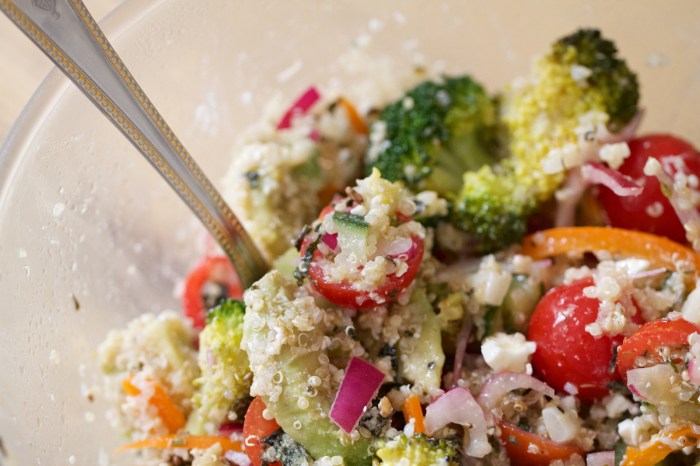
Boosting flavor in healthy recipes doesn’t require sacrificing taste. By understanding the principles of flavor and incorporating strategic techniques, you can create delicious and nutritious dishes that are both satisfying and good for you.
Using Herbs and Spices to Enhance Flavor
Herbs and spices are culinary powerhouses, adding depth and complexity to dishes without adding calories. They offer a wide range of flavors, from earthy and savory to bright and citrusy, allowing you to create unique and flavorful combinations.
| Category | Examples | Flavor Profile |
|---|---|---|
| Savory | Basil, oregano, thyme, rosemary, parsley, cilantro, sage, garlic powder, onion powder | Earthy, aromatic, savory, pungent |
| Spicy | Cayenne pepper, chili powder, cumin, paprika, turmeric | Warm, spicy, pungent |
| Sweet | Cinnamon, nutmeg, ginger, cardamom, cloves | Warm, sweet, aromatic |
| Citrusy | Lemon zest, lime zest, orange zest | Bright, tangy, refreshing |
Healthy Flavoring Techniques
Adding flavor to your dishes without relying on unhealthy ingredients is key to creating delicious and nutritious meals. Here are some healthy flavoring techniques to explore:
- Citrus Zest:The vibrant zest of citrus fruits, such as lemons, limes, and oranges, adds a burst of freshness and acidity to dishes. It’s a great way to brighten up salads, marinades, and sauces.
- Garlic and Onions:These aromatic vegetables are essential for adding depth and complexity to countless dishes. They can be sautéed, roasted, or used raw to infuse your meals with savory flavor.
- Vinegar:A splash of vinegar, like apple cider vinegar or balsamic vinegar, can add a tangy and acidic note to salads, soups, and sauces.
- Mustard:Dijon mustard, honey mustard, or other varieties can add a pungent and savory flavor to sandwiches, dressings, and marinades.
- Fresh Herbs:Fresh herbs like basil, parsley, cilantro, and mint offer vibrant and aromatic flavors that can elevate any dish.
- Spices:Experiment with a variety of spices, such as cumin, paprika, turmeric, and ginger, to add warmth, complexity, and depth to your recipes.
Incorporating Textures and Colors
The visual appeal of a dish can significantly influence its enjoyment. Adding textures and colors to your recipes can create a more appealing and exciting dining experience.
- Texture:Use a variety of textures to create interest and depth in your dishes. For example, combine crunchy vegetables with creamy sauces, or add toasted nuts or seeds for a textural contrast.
- Color:Incorporate vibrant colors to make your meals more visually appealing. Use colorful vegetables, fruits, and herbs to create a rainbow of flavors and textures.
Using Different Cooking Methods to Enhance Flavor
Different cooking methods can bring out unique flavors in your ingredients. Explore these techniques to enhance the taste of your dishes:
- Roasting:Roasting vegetables and meats in the oven concentrates their flavors and creates a rich, caramelized exterior.
- Grilling:Grilling imparts a smoky flavor to vegetables and meats, adding a depth of flavor that can’t be replicated with other methods.
- Steaming:Steaming preserves the nutrients and vibrant flavors of vegetables, while creating a tender and delicate texture.
- Sautéing:Sautéing vegetables in a pan with a little oil allows them to develop a flavorful caramelized surface.
Adapting Traditional Recipes for Different Diets
Adapting traditional recipes to accommodate various dietary needs is a crucial aspect of healthy cooking. Whether you’re catering to vegetarianism, veganism, gluten-free preferences, or specific allergies and intolerances, understanding the core principles of substitution and creative flavoring can help you transform beloved dishes into healthy and inclusive meals.
Adapting Recipes for Vegetarian and Vegan Diets
Vegetarian and vegan diets often necessitate the removal of animal products, such as meat, poultry, fish, eggs, and dairy. Here’s how to adapt recipes for these dietary preferences:
- Protein Substitutions:Replace meat with plant-based protein sources like lentils, beans, tofu, tempeh, seitan, chickpeas, or nuts.
- Dairy Alternatives:Utilize plant-based milk (almond, soy, oat, coconut), yogurt, cheese, and butter for a dairy-free experience.
- Egg Substitutes:For binding and leavening, use flaxseed meal, chia seeds, or applesauce in place of eggs.
Adapting Recipes for Gluten-Free Diets
Gluten, a protein found in wheat, barley, and rye, can cause adverse reactions in individuals with celiac disease or gluten sensitivity. To make recipes gluten-free:
- Gluten-Free Flour Blends:Substitute all-purpose flour with gluten-free flour blends containing rice flour, tapioca flour, almond flour, or coconut flour.
- Gluten-Free Breadcrumbs:Use gluten-free breadcrumbs made from almond flour, coconut flour, or panko breadcrumbs.
- Gluten-Free Pasta:Opt for pasta made from rice, quinoa, lentil, or chickpea flour.
Adapting Recipes for Food Allergies and Intolerances
Food allergies and intolerances can range from mild to severe, and it’s essential to be aware of common allergens like peanuts, tree nuts, shellfish, dairy, eggs, soy, and wheat. When adapting recipes:
- Ingredient Swaps:Replace allergenic ingredients with safe alternatives. For instance, use coconut milk instead of dairy milk if someone has a dairy allergy.
- Cross-Contamination Prevention:Maintain separate utensils and surfaces for preparing allergen-free foods. Thoroughly wash all tools and surfaces after handling allergens.
- Read Labels Carefully:Always check ingredient lists and be cautious of hidden allergens in processed foods.
Adapting Recipes for Specific Dietary Needs
Many individuals follow specific diets for health reasons. Here’s how to modify recipes for low-sodium and low-carb diets:
Low-Sodium Recipes
- Reduce Salt:Use less salt in cooking and at the table. Consider using herbs and spices for flavor instead.
- Choose Low-Sodium Ingredients:Select low-sodium broth, canned goods, and processed foods.
- Rinse Canned Foods:Rinse canned beans, vegetables, and soups to remove excess sodium.
Low-Carb Recipes
- Reduce Carbohydrates:Substitute high-carbohydrate ingredients like potatoes, rice, and pasta with low-carb options like cauliflower rice, zucchini noodles, or shirataki noodles.
- Increase Protein and Healthy Fats:Focus on protein sources like lean meats, poultry, fish, tofu, and eggs, along with healthy fats like avocado, olive oil, and nuts.
- Use Low-Carb Sweeteners:If needed, use low-carb sweeteners like stevia or erythritol.
Healthy Eating Habits and Lifestyle
Adopting healthy eating habits and a balanced lifestyle goes beyond just modifying recipes. It’s about making sustainable changes that promote overall well-being.
Portion Control and Mindful Eating
Portion control is a crucial aspect of healthy eating. It involves being mindful of the amount of food you consume at each meal. Mindful eating encourages paying attention to your hunger and fullness cues, savoring each bite, and eating slowly.
This approach helps prevent overeating and promotes a sense of satisfaction with smaller portions.
Incorporating Regular Physical Activity
Regular physical activity is essential for maintaining a healthy weight, reducing the risk of chronic diseases, and improving mood and sleep. Aim for at least 150 minutes of moderate-intensity aerobic activity or 75 minutes of vigorous-intensity aerobic activity per week, along with muscle-strengthening activities at least twice a week.
Stress Management and Healthy Eating
Stress can significantly impact eating habits. When stressed, individuals may tend to overeat or make unhealthy food choices. Managing stress through techniques such as exercise, meditation, yoga, or spending time in nature can help regulate appetite and promote healthier eating patterns.
Creating a Balanced Meal Plan
A balanced meal plan should include a variety of nutrient-rich foods from all food groups.
- Fruits and vegetables:Aim for at least five servings per day. They provide essential vitamins, minerals, and fiber.
- Whole grains:Choose whole-grain bread, pasta, rice, and cereals over refined grains. They are rich in fiber, which helps regulate digestion and blood sugar levels.
- Lean protein:Include sources such as fish, poultry, beans, lentils, tofu, and eggs in your diet. Protein helps build and repair tissues, supports a healthy immune system, and provides satiety.
- Healthy fats:Incorporate unsaturated fats from sources like avocados, nuts, seeds, and olive oil. These fats are beneficial for heart health and brain function.
- Dairy:Choose low-fat or fat-free dairy products, such as milk, yogurt, and cheese. Dairy provides calcium, which is essential for strong bones and teeth.
Recipes for Healthier Versions of Traditional Dishes: How To Modify Traditional Recipes For Healthier Versions Without Sacrificing Flavor
Transforming your favorite dishes into healthier versions doesn’t have to mean sacrificing flavor. With a few simple swaps and techniques, you can enjoy the same delicious meals with fewer calories, fat, and sugar.
Healthy Recipe Alternatives
Here are some traditional dishes and their healthier counterparts:
- Traditional Dish:Lasagna. Healthier Version:Vegetable Lasagna with Lean Ground Turkey or Tofu.
- Traditional Dish:Fried Chicken. Healthier Version:Baked or Air-Fried Chicken with a Light Herb and Spice Rub.
- Traditional Dish:Chocolate Cake. Healthier Version:Black Bean Chocolate Cake with Avocado Frosting.
- Traditional Dish:Mac and Cheese. Healthier Version:Baked Mac and Cheese with Whole Wheat Pasta and Reduced-Fat Cheese.
- Traditional Dish:Pizza. Healthier Version:Thin-Crust Pizza with Whole Wheat Dough, Plenty of Vegetables, and Lean Protein Toppings.
Detailed Recipes for Healthier Dishes
Here are detailed recipes for healthy versions of popular dishes:
Vegetable Lasagna with Lean Ground Turkey
Ingredients:
- 1 pound lean ground turkey
- 1 onion, chopped
- 2 cloves garlic, minced
- 1 (28-ounce) can crushed tomatoes
- 1 (15-ounce) can tomato sauce
- 1 teaspoon dried oregano
- 1/2 teaspoon dried basil
- 1/4 teaspoon salt
- 1/4 teaspoon black pepper
- 12 lasagna noodles
- 1 (15-ounce) container ricotta cheese
- 1 cup shredded mozzarella cheese
- 1 cup chopped vegetables (such as spinach, mushrooms, zucchini)
Instructions:
- Preheat oven to 375 degrees F (190 degrees C).
- In a large skillet over medium heat, brown ground turkey. Drain off any excess grease.
- Add onion and garlic to the skillet and cook until softened, about 5 minutes.
- Stir in crushed tomatoes, tomato sauce, oregano, basil, salt, and pepper. Bring to a simmer and cook for 15 minutes.
- In a medium bowl, combine ricotta cheese and mozzarella cheese.
- Spread a thin layer of tomato sauce in the bottom of a 9×13 inch baking dish.
- Top with 4 lasagna noodles, overlapping as needed.
- Spread with 1/2 of the ricotta cheese mixture, followed by 1/2 of the vegetable mixture.
- Repeat layers with 4 more lasagna noodles, the remaining ricotta cheese mixture, and the remaining vegetable mixture.
- Top with the remaining tomato sauce and sprinkle with the remaining mozzarella cheese.
- Bake for 30 minutes, or until the cheese is melted and bubbly.
- Let stand for 10 minutes before serving.
Baked Chicken with Herb and Spice Rub
Ingredients:
- 4 boneless, skinless chicken breasts
- 1 tablespoon olive oil
- 1 teaspoon paprika
- 1 teaspoon garlic powder
- 1/2 teaspoon onion powder
- 1/4 teaspoon black pepper
- 1/4 teaspoon salt
Instructions:
- Preheat oven to 400 degrees F (200 degrees C).
- In a small bowl, combine olive oil, paprika, garlic powder, onion powder, black pepper, and salt.
- Rub the herb and spice mixture all over the chicken breasts.
- Place the chicken breasts in a baking dish and bake for 20-25 minutes, or until the internal temperature reaches 165 degrees F (74 degrees C).
Black Bean Chocolate Cake with Avocado Frosting
Ingredients:
- 1 (15-ounce) can black beans, rinsed and drained
- 1/2 cup unsweetened applesauce
- 1/2 cup sugar
- 1/4 cup cocoa powder
- 1 teaspoon vanilla extract
- 1/2 teaspoon baking soda
- 1/4 teaspoon salt
- 1/2 cup flour
Frosting:
- 1 ripe avocado
- 1/4 cup cocoa powder
- 1/4 cup sugar
- 1/4 cup unsweetened almond milk
- 1 teaspoon vanilla extract
Instructions:
- Preheat oven to 350 degrees F (175 degrees C). Grease and flour a 9-inch round cake pan.
- In a food processor, combine black beans, applesauce, sugar, cocoa powder, vanilla extract, baking soda, and salt. Process until smooth.
- Add flour and pulse until just combined.
- Pour batter into the prepared cake pan and bake for 30-35 minutes, or until a toothpick inserted into the center comes out clean.
- Let the cake cool completely before frosting.
- To make the frosting, combine all ingredients in a food processor and blend until smooth.
- Spread the frosting over the cooled cake.
Tips for Making Healthier Desserts and Snacks
- Use natural sweeteners like honey, maple syrup, or fruit instead of refined sugar.
- Choose whole grain options over refined grains.
- Incorporate fruits and vegetables into your desserts and snacks.
- Use healthy fats like avocado, nuts, and seeds.
- Experiment with different spices and herbs to add flavor without extra sugar or fat.
Nutritional Information of Traditional and Healthier Dishes
| Dish | Traditional Version | Healthier Version |
|---|---|---|
| Lasagna | Calories: 500, Fat: 25g, Carbohydrates: 60g, Protein: 20g | Calories: 350, Fat: 15g, Carbohydrates: 45g, Protein: 30g |
| Fried Chicken | Calories: 400, Fat: 25g, Carbohydrates: 15g, Protein: 20g | Calories: 250, Fat: 10g, Carbohydrates: 10g, Protein: 30g |
| Chocolate Cake | Calories: 450, Fat: 20g, Carbohydrates: 60g, Protein: 5g | Calories: 300, Fat: 10g, Carbohydrates: 40g, Protein: 15g |
The Importance of Nutritional Balance
A balanced diet is crucial for maintaining optimal health and well-being. It involves consuming a variety of foods in the right proportions to provide the body with all the essential nutrients it needs.
Macronutrients: The Building Blocks of a Healthy Diet, How to modify traditional recipes for healthier versions without sacrificing flavor
Macronutrients are the primary energy sources for the body. They include protein, carbohydrates, and fats, each playing a distinct role in maintaining bodily functions.
- Proteinis essential for building and repairing tissues, producing enzymes and hormones, and maintaining a healthy immune system. Good sources of protein include lean meats, poultry, fish, eggs, beans, lentils, tofu, and nuts.
- Carbohydratesprovide the body with energy and are vital for brain function and physical activity. Complex carbohydrates, found in whole grains, fruits, and vegetables, are digested slowly and provide sustained energy. Simple carbohydrates, found in refined grains, sugary drinks, and processed foods, are quickly digested and can lead to blood sugar spikes and crashes.
- Fatsare essential for hormone production, cell function, and insulation. Healthy fats, such as those found in olive oil, avocados, nuts, and fatty fish, are beneficial for heart health. Unhealthy fats, such as those found in processed foods, fried foods, and butter, can increase the risk of heart disease and other health problems.
Micronutrients: The Essential Vitamins and Minerals
Micronutrients, although needed in smaller amounts, are equally important for overall health. They support various bodily functions, including metabolism, growth, and development.
- Vitaminsare organic compounds that play a role in numerous bodily processes. For example, vitamin C is an antioxidant that supports immune function, while vitamin D helps the body absorb calcium.
- Mineralsare inorganic substances that are essential for bone health, muscle function, and nerve transmission. Calcium, iron, and potassium are just a few examples of essential minerals.
Ensuring Adequate Nutrient Intake
To ensure adequate intake of all essential nutrients, follow these tips:
- Eat a variety of foodsfrom all food groups, including fruits, vegetables, whole grains, lean proteins, and healthy fats.
- Choose nutrient-dense foods, which are packed with vitamins, minerals, and fiber.
- Limit processed foods, sugary drinks, and unhealthy fats.
- Cook more meals at home, allowing you to control the ingredients and portion sizes.
- Read food labelsto understand the nutritional content of the foods you choose.
- Consider taking a multivitaminif you are concerned about nutrient deficiencies.
Foods Rich in Specific Nutrients
| Nutrient | Food Sources |
|---|---|
| Protein | Lean meats, poultry, fish, eggs, beans, lentils, tofu, nuts, seeds |
| Carbohydrates | Whole grains, fruits, vegetables, legumes |
| Fats | Olive oil, avocados, nuts, seeds, fatty fish |
| Vitamin C | Citrus fruits, strawberries, bell peppers, broccoli |
| Vitamin D | Fatty fish, eggs, fortified milk, sunlight exposure |
| Calcium | Dairy products, leafy green vegetables, fortified foods |
| Iron | Red meat, poultry, fish, beans, lentils, spinach |
| Potassium | Bananas, potatoes, tomatoes, leafy green vegetables |
Cooking Techniques for Flavor and Health
Cooking methods play a crucial role in preserving the nutritional value and enhancing the flavor of your food. Choosing the right techniques can make a significant difference in the overall healthfulness and taste of your dishes.
Healthy Cooking Oils and Fats
Understanding the benefits of using healthy cooking oils and fats is essential for maintaining a balanced diet.
- Olive oil:Rich in monounsaturated fats, olive oil is a heart-healthy option that can be used for cooking, drizzling, and salad dressings.
- Avocado oil:High in monounsaturated fats and antioxidants, avocado oil has a high smoke point, making it suitable for high-heat cooking.
- Coconut oil:A source of medium-chain triglycerides, coconut oil can be used for cooking, baking, and even as a moisturizer.
Avoiding Overcooking
Overcooking can lead to nutrient loss and a less appealing texture. Here are some tips to prevent overcooking:
- Use a meat thermometer:Ensure meats are cooked to the appropriate internal temperature to ensure safety and tenderness.
- Don’t overcrowd the pan:Overcrowding can lower the temperature, leading to uneven cooking and potentially overcooking.
- Cook vegetables quickly:Vegetables are best cooked quickly to retain their vibrant color, crisp texture, and nutrients.
Healthy Cooking Methods
Several cooking methods can preserve nutrients and enhance flavor.
- Steaming:Steaming is a gentle cooking method that uses the steam from boiling water to cook food. It preserves nutrients and flavors while creating a light and flavorful dish.
- Baking:Baking is a dry-heat cooking method that uses an oven to cook food. It’s a versatile method suitable for various dishes, from bread and pastries to casseroles and roasted vegetables.
- Grilling:Grilling is a dry-heat cooking method that uses direct heat from a grill to cook food. It adds a smoky flavor and creates beautiful grill marks.
Resources for Healthy Eating
Navigating the world of healthy eating can be overwhelming, but there are numerous resources available to help you make informed choices and develop sustainable habits. From reliable websites to handy apps, you can find guidance and support for your healthy eating journey.
Reputable Sources for Healthy Recipes and Nutrition Information
Reliable sources provide evidence-based information and recipes that are safe, nutritious, and delicious. Here are some trusted sources:
- Government Agencies:The United States Department of Agriculture (USDA) and the National Institutes of Health (NIH) offer comprehensive dietary guidelines and information on nutrition.
- Professional Organizations:The Academy of Nutrition and Dietetics (AND) and the American Heart Association (AHA) provide evidence-based nutrition recommendations and resources for healthy eating.
- Reputable Websites:Websites like the Mayo Clinic, Harvard Health Publishing, and the World Health Organization offer reliable information on nutrition, healthy eating, and disease prevention.
- Registered Dietitians:Registered dietitians are qualified nutrition professionals who can provide personalized advice and support for your dietary needs.
Finding Healthy Food Options at Restaurants and Grocery Stores
Making healthy choices when dining out or grocery shopping can be challenging. Here are some tips:
- Read Menus Carefully:Look for dishes that are grilled, baked, or steamed, and avoid those that are fried, breaded, or laden with unhealthy fats and sugars.
- Ask for Modifications:Don’t hesitate to request modifications to your meal, such as substituting grilled chicken for fried chicken or requesting vegetables instead of fries.
- Check Nutritional Information:Pay attention to the nutritional information provided on restaurant menus and food labels at the grocery store. Look for options that are lower in calories, saturated fat, and sodium.
- Shop the Perimeter:In grocery stores, fresh produce, lean meats, and dairy products are typically found around the perimeter.
- Choose Whole Foods:Opt for whole, unprocessed foods over packaged and processed foods.
Benefits of Cooking at Home and Meal Prepping
Cooking at home allows you to control the ingredients and portion sizes, ensuring that your meals are healthy and meet your dietary needs. Meal prepping can save time and money while promoting healthy eating habits.
- Control Over Ingredients:You can choose fresh, whole ingredients and avoid added sugars, unhealthy fats, and artificial ingredients.
- Portion Control:Cooking at home allows you to control the portion sizes of your meals, which can be beneficial for weight management.
- Cost-Effective:Cooking at home is often more cost-effective than eating out.
- Meal Prepping for Convenience:Meal prepping involves preparing several meals in advance, which can save time and make healthy eating more convenient.
Online Resources and Apps for Healthy Eating
Numerous online resources and apps can support your healthy eating journey by providing recipes, meal planning tools, and tracking features.
- Recipe Websites:Websites like Allrecipes, Food Network, and Epicurious offer a vast collection of healthy recipes.
- Meal Planning Apps:Apps like MyFitnessPal, Lose It!, and Noom provide meal planning tools, calorie tracking, and personalized nutrition guidance.
- Grocery Delivery Services:Services like Instacart and Amazon Fresh offer grocery delivery, making it easier to stock your pantry with healthy foods.
Concluding Remarks

By understanding the fundamentals of flavor, employing smart substitutions, and embracing healthy cooking techniques, you can create healthier versions of your favorite dishes without sacrificing the tastes you love. This journey encourages you to experiment, explore, and discover a world of culinary possibilities that cater to your health goals while delighting your taste buds.
Remember, healthy eating is not about deprivation; it’s about making mindful choices that nourish your body and enhance your enjoyment of food.
Query Resolution
What are some common flavor profiles of traditional recipes?
Traditional recipes often feature rich flavors from butter, cream, sugar, and meat. They can be savory, sweet, or a combination of both, depending on the cultural origin and specific dish.
How do I ensure that my modified recipes are nutritionally balanced?
Focus on incorporating a variety of nutrient-rich ingredients, including whole grains, lean proteins, fruits, vegetables, and healthy fats. Aim for a balance of macronutrients (protein, carbohydrates, and fats) and micronutrients (vitamins and minerals) in your meals.
What are some healthy cooking oils and fats to use?
Opt for heart-healthy oils like olive oil, avocado oil, and coconut oil. These oils provide beneficial fats and can be used for cooking, baking, and salad dressings.
Where can I find reputable sources for healthy recipes and nutrition information?
Reliable sources include government websites like the USDA MyPlate, reputable health organizations like the American Heart Association, and registered dietitians.


More Stories