Healthy Habits: Cardiovascular Health Tips For Seniors
Maintaining good cardiovascular health is crucial for seniors to lead a healthy and active lifestyle. By adopting healthy habits, seniors can significantly improve their heart health and overall well-being. Regular physical activity plays a key role in strengthening the heart and reducing the risk of heart disease. Additionally, simple lifestyle changes can have a positive impact on cardiovascular health, allowing seniors to enjoy a better quality of life.
Essential Healthy Habits
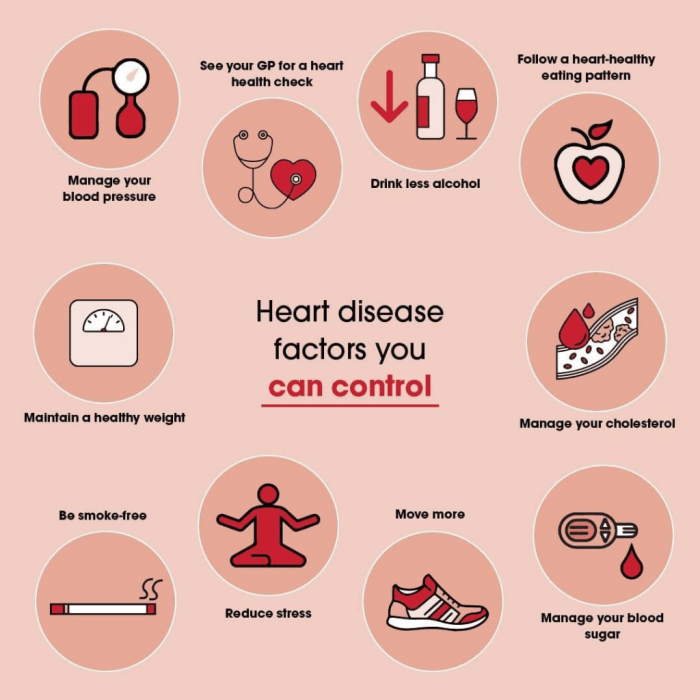
- Aim to incorporate at least 30 minutes of moderate-intensity exercise into your daily routine, such as brisk walking, swimming, or cycling.
- Follow a balanced diet rich in fruits, vegetables, whole grains, lean proteins, and healthy fats to support heart health.
- Avoid smoking and limit alcohol consumption to protect your heart and reduce the risk of cardiovascular diseases.
- Manage stress through relaxation techniques, such as deep breathing, meditation, or yoga, to promote heart health.
- Get regular check-ups with your healthcare provider to monitor your heart health and address any concerns promptly.
Emotional Wellbeing
Cardiovascular health tips for seniors – Emotional wellbeing plays a crucial role in maintaining overall cardiovascular health for seniors. The state of one’s emotions can directly impact the heart’s health and function, making it essential to prioritize emotional wellness.
Role of Stress Management
Stress management is key to maintaining a healthy heart in seniors. Chronic stress can lead to increased blood pressure, inflammation, and other risk factors for cardiovascular disease. By effectively managing stress, seniors can reduce the strain on their heart and improve overall heart health.
Tips for Promoting Emotional Wellness
- Adequate Sleep: Getting enough quality sleep is essential for emotional wellbeing and heart health. Seniors should aim for 7-9 hours of sleep per night.
- Regular Exercise: Physical activity is not only beneficial for the heart but also helps improve mood and reduce stress. Seniors should engage in activities like walking, swimming, or yoga.
- Healthy Diet: Eating a well-balanced diet rich in fruits, vegetables, whole grains, and lean proteins can support emotional health and reduce the risk of heart disease.
- Stay Connected: Maintaining social connections with friends and family can provide emotional support and reduce feelings of loneliness or isolation, which can impact heart health.
- Practice Mindfulness: Techniques like meditation, deep breathing exercises, or yoga can help seniors manage stress, improve emotional wellbeing, and support heart health.
Healthy Aging
Healthy aging practices play a crucial role in maintaining cardiovascular health as we grow older. By adopting a healthy lifestyle and making smart choices, seniors can significantly reduce the risk of heart-related issues.
Regular Health Check-ups for Seniors
Regular health check-ups are essential for seniors to monitor their heart health and detect any potential issues early on. These check-ups can help in identifying risk factors, such as high blood pressure or cholesterol levels, allowing for timely intervention and prevention of heart diseases.
Common Age-Related Cardiovascular Concerns and Prevention Strategies
- Heart Disease: As we age, the risk of developing heart disease increases. To prevent this, seniors should focus on maintaining a healthy diet, engaging in regular physical activity, and managing stress levels.
- Hypertension: High blood pressure is a common concern among seniors. To keep it in check, it is important to limit salt intake, maintain a healthy weight, and follow a low-sodium diet.
- Atherosclerosis: The buildup of plaque in the arteries can lead to atherosclerosis, a condition that restricts blood flow. Seniors can reduce this risk by avoiding smoking, eating a diet rich in fruits and vegetables, and staying physically active.
Active Lifestyle
Regular physical activity is crucial for seniors to maintain good cardiovascular health. It not only helps in improving heart function but also reduces the risk of heart diseases. Here are some suitable exercises for seniors to boost their cardiovascular fitness and overall well-being.
Examples of Suitable Exercises
- Walking: A simple yet effective exercise that can be done at a moderate pace to get the heart rate up.
- Swimming: A low-impact exercise that works out the entire body and is gentle on the joints.
- Cycling: Whether on a stationary bike or outdoors, cycling is great for improving cardiovascular health.
- Dancing: A fun way to stay active and get the heart pumping while also improving balance and coordination.
Benefits of Staying Physically Active
Regular physical activity offers numerous benefits for heart health, such as:
- Improving blood circulation and reducing the risk of high blood pressure.
- Strengthening the heart muscle and improving its efficiency in pumping blood.
- Helping in maintaining a healthy weight and reducing the risk of obesity.
- Boosting overall mood and mental well-being, reducing stress and anxiety.
Tips for Incorporating More Movement
- Take short walks after meals to aid digestion and get some exercise.
- Use the stairs instead of the elevator whenever possible to increase daily physical activity.
- Join group exercise classes specifically designed for seniors to stay motivated and engaged.
- Set specific, achievable goals for daily exercise and track your progress to stay accountable.
Cardiovascular Health
Maintaining cardiovascular health is crucial for seniors to live a longer and healthier life. As we age, the risk of developing cardiovascular issues increases, making it essential to take preventive measures to keep our hearts strong and healthy.
Common Cardiovascular Issues for Seniors
Seniors commonly face cardiovascular issues such as high blood pressure, heart disease, and stroke. These conditions can be prevented or managed through lifestyle changes and regular check-ups with healthcare providers.
The Role of Diet in Maintaining a Healthy Heart
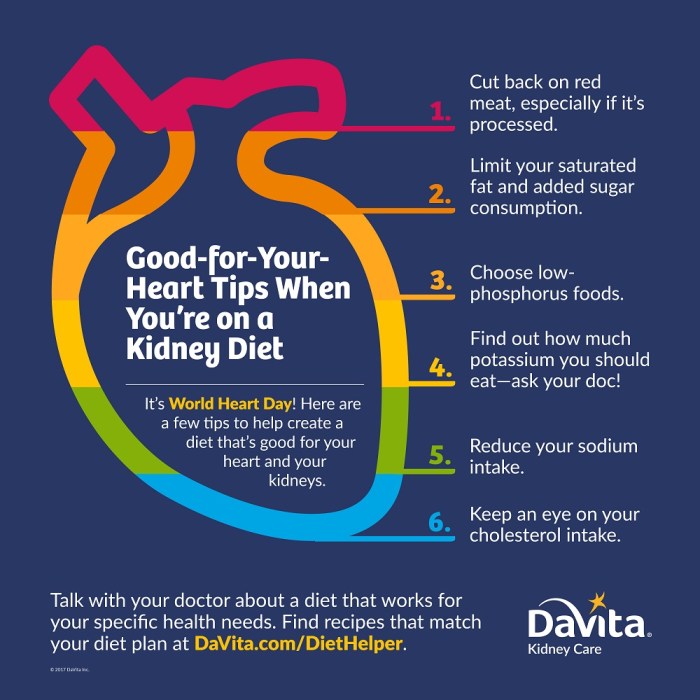
A heart-healthy diet plays a significant role in preventing cardiovascular issues for seniors. Consuming foods rich in fruits, vegetables, whole grains, and lean proteins can help lower cholesterol levels and reduce the risk of heart disease. Limiting salt, sugar, and unhealthy fats is also crucial for maintaining a healthy heart.
Importance of Regular Cardiovascular Screenings
Regular cardiovascular screenings are vital for seniors to monitor their heart health and detect any potential issues early on. Screenings such as blood pressure checks, cholesterol tests, and electrocardiograms can help healthcare providers assess the risk of cardiovascular diseases and provide appropriate interventions to prevent complications.
Healthy Recipes
Eating a heart-healthy diet is essential for seniors to maintain good cardiovascular health. By incorporating nutritious ingredients and following balanced recipes, seniors can support their heart health and overall well-being.
Heart-Healthy Meal Planning Tips
- Include plenty of fruits and vegetables in your meals to get essential vitamins and minerals.
- Opt for lean protein sources such as poultry, fish, and legumes to reduce saturated fat intake.
- Choose whole grains like brown rice, quinoa, and oats for fiber and sustained energy.
- Limit added sugars and salt in your cooking to help manage blood pressure and cholesterol levels.
- Experiment with herbs and spices to add flavor to dishes without relying on excessive salt or unhealthy fats.
Heart-Healthy Recipe: Baked Salmon with Lemon and Herbs
Ingredients:
- 4 salmon fillets
- 1 lemon, thinly sliced
- 1 tablespoon olive oil
- 1 teaspoon dried dill
- Salt and pepper to taste
Instructions:
- Preheat oven to 400°F and line a baking sheet with parchment paper.
- Place salmon fillets on the prepared baking sheet and top each with lemon slices.
- Drizzle olive oil over the salmon and sprinkle with dried dill, salt, and pepper.
- Bake for 12-15 minutes or until the salmon is cooked through.
- Serve with a side of steamed vegetables or a fresh green salad.
Heart-Healthy Snack: Greek Yogurt Parfait
Ingredients:
- 1 cup plain Greek yogurt
- 1/2 cup mixed berries
- 2 tablespoons chopped nuts
- 1 tablespoon honey or maple syrup
Instructions:
- In a glass or bowl, layer Greek yogurt, mixed berries, and chopped nuts.
- Drizzle with honey or maple syrup for added sweetness.
- Enjoy as a nutritious and satisfying snack between meals.
Mental Resilience
Mental resilience plays a crucial role in maintaining cardiovascular health as it helps seniors cope with stress, anxiety, and other negative emotions that can impact heart health. By developing strong mental resilience, seniors can better handle life’s challenges and reduce the risk of cardiovascular issues.
Techniques for Improving Mental Resilience in Seniors, Cardiovascular health tips for seniors
- Practice mindfulness and meditation to stay present and calm.
- Engage in regular physical activity to boost mood and reduce stress.
- Stay socially connected with friends and family for emotional support.
- Develop a positive outlook on life by focusing on gratitude and self-care.
- Seek professional help if needed to address any mental health concerns.
Connection Between Positive Thinking and Heart Health
Positive thinking can have a direct impact on heart health as it helps reduce stress levels, lower blood pressure, and improve overall cardiovascular function. By maintaining a positive mindset, seniors can enhance their mental resilience and promote a healthier heart.
Immune Support
As we age, the relationship between immune health and cardiovascular health becomes increasingly important. A strong immune system can play a significant role in supporting heart health and overall well-being for seniors.
Boosting Immunity for Heart Health
Boosting immunity is crucial for seniors looking to support their cardiovascular health. Here are some tips to help strengthen the immune system:
- Aim for a balanced diet rich in fruits, vegetables, whole grains, lean proteins, and healthy fats.
- Stay hydrated by drinking an adequate amount of water throughout the day.
- Engage in regular physical activity to promote circulation and immune function.
- Get enough quality sleep to allow the body to rest and repair.
- Manage stress through relaxation techniques such as deep breathing, meditation, or yoga.
Benefits of a Strong Immune System for Cardiovascular Health
A strong immune system can provide numerous benefits for seniors’ cardiovascular health, including:
- Reduced risk of infections that can strain the heart and blood vessels.
- Lower levels of inflammation, which is linked to heart disease.
- Improved ability to fight off illnesses that may impact heart function.
- Enhanced overall well-being and quality of life.
Stress Relief
Stress relief is crucial for seniors to maintain good heart health and overall well-being. Chronic stress can have a significant impact on cardiovascular health, increasing the risk of heart disease and other related conditions. Creating a stress-free environment and incorporating effective stress-relief techniques can help seniors lead a healthier and happier life.
Effective Stress-Relief Techniques
- Practice deep breathing exercises to calm the mind and reduce stress levels.
- Engage in gentle exercises like yoga or tai chi to promote relaxation and reduce tension.
- Try meditation or mindfulness techniques to enhance mental clarity and reduce stress.
- Spend time in nature or engage in hobbies that bring joy and relaxation.
- Connect with loved ones for emotional support and to share feelings and concerns.
Impact of Chronic Stress on Cardiovascular Health
Chronic stress can lead to increased blood pressure, inflammation, and a higher risk of heart disease. It can also contribute to unhealthy habits like overeating or lack of physical activity, further impacting heart health.
Creating a Stress-Free Environment for Seniors
- Ensure a peaceful and organized living space that promotes relaxation and reduces clutter.
- Encourage regular breaks and leisure activities to unwind and destress.
- Provide opportunities for social interactions and emotional support from friends and family members.
- Promote a healthy lifestyle with balanced nutrition, regular exercise, and sufficient rest.
Nutritional Balance
Maintaining a balanced diet is crucial for seniors to support good cardiovascular health. By consuming a variety of nutrient-dense foods, older adults can help lower the risk of heart disease and promote overall well-being.
Specific Nutrients for Heart Health
- Omega-3 fatty acids: Found in fatty fish like salmon, mackerel, and sardines, omega-3s can help reduce inflammation and improve heart health.
- Antioxidants: Foods rich in antioxidants such as fruits, vegetables, nuts, and seeds can help protect the heart from damage caused by free radicals.
- Fiber: Whole grains, legumes, and fruits and vegetables high in fiber can help lower cholesterol levels and improve heart health.
- Potassium: Bananas, sweet potatoes, and leafy greens are excellent sources of potassium, which can help regulate blood pressure and support heart function.
- Magnesium: Nuts, seeds, whole grains, and leafy greens contain magnesium, a mineral that plays a vital role in heart health and blood pressure regulation.
Foods for Optimal Cardiovascular Health
- Fatty Fish: Include salmon, mackerel, and trout in your diet for omega-3 fatty acids.
- Berries: Blueberries, strawberries, and raspberries are rich in antioxidants that benefit heart health.
- Leafy Greens: Spinach, kale, and Swiss chard provide fiber, potassium, and magnesium for a healthy heart.
- Oats: Start your day with a bowl of oatmeal for fiber that helps lower cholesterol levels.
- Nuts and Seeds: Almonds, walnuts, chia seeds, and flaxseeds are great sources of heart-healthy fats and magnesium.
Essential FAQs
How often should seniors engage in physical activity?
Seniors should aim for at least 150 minutes of moderate-intensity aerobic activity per week, along with muscle-strengthening exercises on two or more days.
What are some heart-healthy foods recommended for seniors?
Seniors should include foods rich in omega-3 fatty acids (such as salmon and walnuts), whole grains, fruits, vegetables, and lean proteins in their diet for optimal heart health.
How can seniors improve their mental resilience?
Practicing mindfulness, engaging in social activities, staying physically active, and seeking support from loved ones can help seniors enhance their mental resilience and positively impact their heart health.


More Stories