Introduction to Probiotics for Immune Support
Probiotics are live bacteria and yeasts that are good for your health, especially your digestive system. These “good” bacteria are beneficial microorganisms that can help balance the gut flora and support various functions in the body. When it comes to immune support, probiotics play a crucial role in maintaining a healthy immune system.
The Relationship Between Gut Health and Immune Function
Probiotics are known to promote a healthy balance of gut bacteria, which is essential for proper immune function. Here are some key points to consider:
- Probiotics can help strengthen the intestinal barrier, preventing harmful pathogens from entering the bloodstream and causing infections.
- They can also modulate the immune response, helping to regulate inflammation and promote a balanced immune system.
- Research suggests that a healthy gut microbiome, supported by probiotics, is linked to improved immune function and reduced risk of certain diseases.
Types of Probiotics
Probiotics are live bacteria and yeasts that are good for your health, especially your digestive system. When it comes to immune support, certain strains of probiotics have shown promising results in boosting the immune system. These probiotics can be found in various sources such as dairy products, fermented foods, and supplements.
Common Strains of Probiotics
- Bifidobacterium: Known for its ability to help with digestion and support the immune system.
- Lactobacillus: Helps maintain a healthy balance of good bacteria in the gut and supports immune function.
- Saccharomyces boulardii: A beneficial yeast that can help improve gut health and enhance immune response.
Sources of Probiotics
- Dairy Products: Yogurt, kefir, and certain cheeses contain live cultures of beneficial bacteria that can support the immune system.
- Fermented Foods: Sauerkraut, kimchi, kombucha, and miso are examples of fermented foods that can provide probiotics for immune health.
- Supplements: Probiotic supplements are available in various forms such as capsules, powders, and liquids, providing a convenient way to increase your intake of beneficial bacteria.
Mechanisms of Probiotics in Supporting Immunity
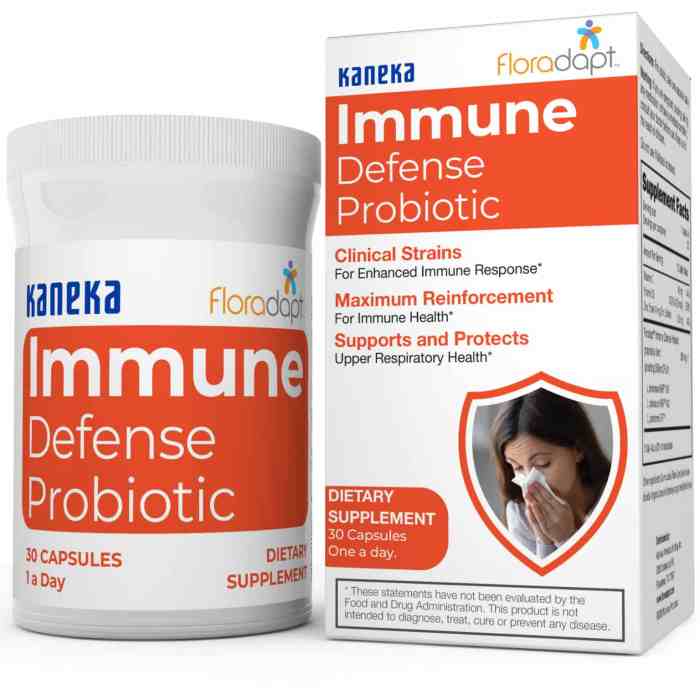
Probiotics play a crucial role in supporting the immune system by interacting with the gut microbiota and influencing various immune responses. They contribute to maintaining a healthy balance in the gut, which is essential for overall immune function.
Interaction with Gut Microbiota
Probiotics work by promoting the growth of beneficial bacteria in the gut microbiota, which helps to crowd out harmful pathogens. This balance is key to a well-functioning immune system, as the gut microbiota plays a significant role in immune regulation and response.
- Probiotics enhance the production of antibodies, such as IgA, which help to fight off infections and pathogens.
- They also stimulate the activity of immune cells, like T cells and natural killer cells, which are essential for immune defense.
- By maintaining a healthy gut microbiota, probiotics support the development of a robust immune system, particularly in early life stages.
Modulation of Inflammation and Gut Barrier
In addition to promoting a healthy gut microbiota, probiotics also play a role in modulating inflammation and strengthening the gut barrier. This is crucial for preventing the entry of harmful substances into the bloodstream and reducing the risk of inflammatory conditions.
- Probiotics help to regulate the production of inflammatory molecules, such as cytokines, in the gut, which can reduce inflammation and promote immune balance.
- They contribute to strengthening the gut barrier by enhancing the production of mucin and promoting tight junction integrity, preventing the leakage of harmful substances.
- By reducing inflammation and supporting gut barrier function, probiotics can help to prevent conditions associated with immune dysregulation, such as allergies, autoimmune diseases, and infections.
Incorporating Probiotics into a Healthy Diet: Probiotics For Immune Support
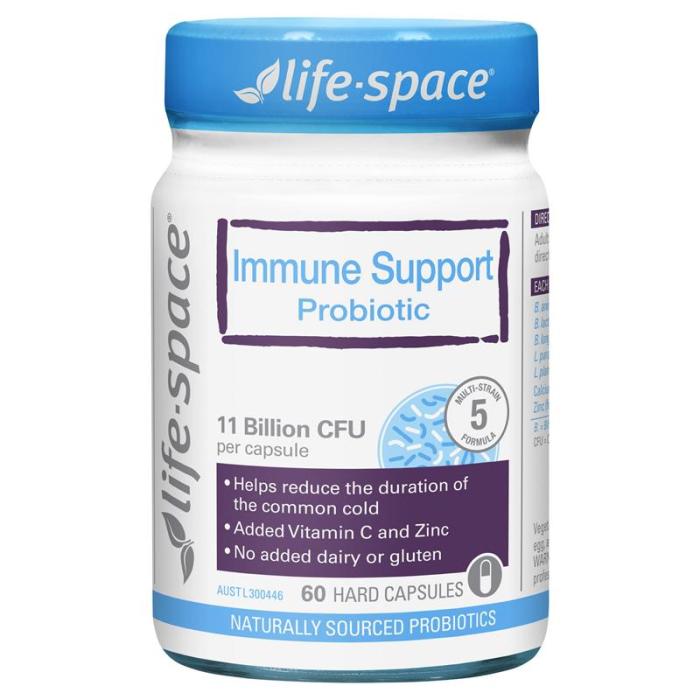
To support your immune system, incorporating probiotics into your daily diet is essential. Probiotics are beneficial bacteria that promote gut health and overall well-being. Including probiotic-rich foods in your meals can help maintain a healthy balance of gut flora and boost your immunity.
Easy Ways to Include Probiotic-Rich Foods in Your Meals
- Add yogurt to your breakfast routine. Yogurt is a well-known source of probiotics and can be easily incorporated into your morning meal. Try mixing it with fruits and nuts for added flavor and nutrients.
- Fermented vegetables like sauerkraut and kimchi are excellent choices for adding probiotics to your diet. These tangy and flavorful options can be enjoyed as a side dish or added to salads and sandwiches.
- Kefir, a fermented milk drink, is another great probiotic-rich food to include in your diet. You can drink it on its own or use it as a base for smoothies and shakes.
Recipes for Probiotic-Rich Meals
- Probiotic Smoothie Bowl: Blend kefir, banana, spinach, and berries together for a delicious and nutritious breakfast option.
- Sauerkraut Salad: Mix sauerkraut with shredded carrots, bell peppers, and a light vinaigrette for a refreshing and probiotic-packed salad.
- Greek Yogurt Parfait: Layer Greek yogurt with granola, honey, and mixed fruits for a satisfying and probiotic-rich dessert or snack.
Lifestyle Factors Affecting Probiotic Efficacy
Probiotics can be greatly influenced by various lifestyle factors that can either enhance or diminish their effectiveness in supporting the immune system. Factors such as stress, diet, and medications play a crucial role in determining how well probiotics work in the body.
Impact of Stress on Probiotic Efficacy
Stress can have a negative impact on the gut microbiome, disrupting the balance of good and bad bacteria. This imbalance can reduce the efficacy of probiotics in promoting a healthy immune system. Strategies to manage stress, such as mindfulness techniques, regular exercise, and sufficient sleep, can help maintain a healthy gut microbiome and optimize the benefits of probiotics.
The Role of Diet in Probiotic Effectiveness
Diet plays a significant role in the effectiveness of probiotics. A diet high in processed foods, sugars, and unhealthy fats can negatively impact the gut microbiome, making it harder for probiotics to thrive. On the other hand, a diet rich in fiber, fruits, vegetables, and fermented foods can create an optimal environment for probiotics to flourish. Incorporating prebiotic-rich foods into your diet can also enhance the effectiveness of probiotics.
Medications and Probiotic Efficacy
Certain medications, such as antibiotics and proton pump inhibitors, can disrupt the balance of bacteria in the gut, affecting the efficacy of probiotics. It is important to consult with a healthcare provider before taking probiotics while on medications to ensure they are not counteracting each other. Strategies such as spacing out the timing of probiotic and medication intake or choosing specific strains of probiotics that are less likely to be affected by medications can help maximize the benefits of probiotics.
Probiotics and Emotional Wellbeing
The connection between gut health, probiotics, and emotional wellness is a fascinating area of study. Research suggests that the gut-brain axis plays a crucial role in influencing mood, stress levels, and overall mental health. Probiotics, which are beneficial bacteria that promote a healthy gut microbiota, have been shown to have an impact on emotional wellbeing.
Impact on Mood
Probiotics may influence mood by modulating the production of neurotransmitters like serotonin, which is often referred to as the “happy hormone.” By promoting a healthy balance of gut bacteria, probiotics can potentially improve mood and reduce symptoms of anxiety and depression.
Stress Reduction
Studies have indicated that probiotics can help reduce levels of cortisol, the stress hormone, in the body. By promoting a healthy gut environment, probiotics may play a role in managing stress and improving resilience to stressful situations.
Overall Mental Health
Incorporating probiotics into a balanced diet may have a positive impact on overall mental health. A healthy gut microbiome is essential for proper neurotransmitter function and immune system regulation, both of which are closely linked to mental wellbeing.
Probiotics for Healthy Aging
Probiotics have shown promising potential in supporting healthy aging and promoting longevity. As we age, our bodies undergo various changes that can impact our overall health and wellbeing. Incorporating probiotics into our daily routine can offer several benefits that contribute to healthy aging.
Potential Benefits of Probiotics for Healthy Aging
- Supporting gut health: Probiotics help maintain a healthy balance of beneficial bacteria in the gut, which is essential for proper digestion and nutrient absorption.
- Boosting immune function: By promoting a healthy gut microbiome, probiotics can strengthen the immune system, reducing the risk of infections and illnesses.
- Enhancing cognitive function: Some studies suggest that certain probiotic strains may support brain health and cognitive function, potentially reducing the risk of age-related cognitive decline.
How Probiotics Maintain Cognitive Function and Metabolic Health
Probiotics play a crucial role in maintaining cognitive function and metabolic health as we age by:
Regulating inflammation in the body, which can help protect against neurodegenerative diseases such as Alzheimer’s.
- Improving insulin sensitivity and glucose metabolism, which can help prevent or manage conditions like diabetes and metabolic syndrome.
- Producing short-chain fatty acids that support brain health and may reduce the risk of age-related cognitive decline.
Promoting an Active Lifestyle with Probiotics
Probiotics play a crucial role in promoting an active lifestyle by improving energy levels and enhancing physical performance. These beneficial bacteria can also aid in post-workout recovery and muscle repair, making them essential for individuals looking to maintain an active and healthy lifestyle.
Improving Energy Levels
Probiotics help in the production of certain vitamins and short-chain fatty acids that are known to boost energy levels. By supporting a healthy gut environment, probiotics can enhance nutrient absorption, leading to increased energy levels for improved physical performance.
Post-Workout Recovery and Muscle Repair
– Probiotics have been shown to reduce inflammation in the body, which can speed up the recovery process after intense physical activity.
– Certain strains of probiotics have been found to support muscle repair and growth by aiding in the absorption of key nutrients like protein and amino acids.
– By maintaining a healthy balance of gut bacteria, probiotics can help reduce muscle soreness and enhance overall recovery time.
Cardiovascular Health and Probiotics
Probiotics have been found to have a positive impact on heart health and may help reduce the risk of cardiovascular diseases.
Lowering Cholesterol Levels, Probiotics for immune support
Probiotics, especially certain strains like Lactobacillus acidophilus and Bifidobacterium longum, have been shown to help lower LDL cholesterol levels, also known as the “bad” cholesterol. These probiotics work by breaking down bile in the gut, which in turn reduces the absorption of cholesterol into the bloodstream.
Supporting Cardiovascular Function
Studies have suggested that probiotics can help support overall cardiovascular function by reducing inflammation, improving blood pressure, and enhancing the health of the endothelial lining of blood vessels. This can contribute to a lower risk of conditions like hypertension, stroke, and heart disease.
Stress Relief through Probiotics
Probiotics play a crucial role not only in supporting gut health but also in alleviating symptoms of stress and anxiety. Research has shown a strong connection between the gut and the brain, known as the gut-brain axis, where the balance of beneficial bacteria can influence mental well-being.
Impact of Probiotics on Stress Management
- Probiotics can help regulate the production of neurotransmitters like serotonin, which plays a key role in mood regulation and stress management.
- Studies have shown that certain probiotic strains can reduce levels of cortisol, the stress hormone, leading to a calmer and more relaxed state.
- By promoting a healthy gut microbiome, probiotics can enhance overall resilience to stress and improve coping mechanisms.
Achieving Nutritional Balance with Probiotics
Probiotics play a crucial role in achieving nutritional balance and overall wellness by supporting gut health and aiding in the absorption of essential nutrients.
Combining Probiotics with Other Nutrients
When it comes to optimizing health benefits, combining probiotics with other nutrients can further enhance their effectiveness. Here are some recommendations on how to incorporate probiotics into a well-rounded diet:
- Include probiotic-rich foods such as yogurt, kefir, sauerkraut, and kimchi in your daily meals to ensure a diverse range of beneficial bacteria.
- Pair probiotic foods with prebiotic sources like bananas, onions, garlic, and whole grains to promote the growth of good bacteria in the gut.
- Consider taking a high-quality probiotic supplement to fill any gaps in your diet and ensure a consistent intake of beneficial bacteria.
- Combine probiotics with vitamin-rich foods like fruits, vegetables, nuts, and seeds to support overall immune function and gut health.
Essential Questionnaire
Probiotics for immune support – Can probiotics help with stress relief?
Yes, probiotics have been shown to alleviate symptoms of stress and anxiety by promoting a healthy gut-brain connection.
What are some sources of probiotics besides supplements?
Probiotics can also be found in dairy products like yogurt, fermented foods like kimchi, and other naturally fermented items.


More Stories
Nutritional balance for muscle gain: A key to maximizing muscle growth
Best vitamins for immune support: Boost your health with essential nutrients
Healthy aging and vision care: Tips and insights for aging gracefully