Healthy Habits
Incorporating healthy habits into our daily routines is essential for maintaining overall well-being. These habits not only improve physical health but also contribute to mental and emotional wellness.
Impact of Establishing a Routine
Establishing a routine for maintaining a healthy lifestyle is crucial as it helps in creating consistency and discipline. When we have a set schedule for activities such as exercise, meal times, and self-care, we are more likely to stick to them and make healthier choices.
- Regular Exercise: Engaging in physical activity, whether it’s going for a walk, a jog, or a workout session, helps in improving cardiovascular health, boosting mood, and increasing energy levels.
- Healthy Eating: Incorporating nutritious foods like fruits, vegetables, whole grains, and lean proteins into our meals provides essential nutrients for the body and supports overall health.
- Adequate Sleep: Getting enough restful sleep is crucial for the body to repair and rejuvenate. It also helps in improving cognitive function and mood regulation.
- Hydration: Drinking an adequate amount of water throughout the day is important for maintaining proper bodily functions, supporting digestion, and keeping the skin healthy.
- Stress Management: Engaging in activities like meditation, yoga, or deep breathing exercises helps in reducing stress levels and promoting relaxation.
Emotional Wellbeing
Regular physical activity plays a crucial role in promoting emotional wellbeing. Exercise has been proven to have a positive impact on mental health by reducing symptoms of anxiety and depression, improving self-esteem, and enhancing overall mood.
Link between Physical Activity and Mental Health
Engaging in physical activity triggers the release of endorphins, also known as “feel-good” hormones, in the brain. These chemicals help to reduce feelings of pain and stress while promoting a sense of well-being. Additionally, exercise can lead to improved sleep patterns, which are essential for maintaining good mental health.
Benefits of Exercise on Reducing Stress and Improving Mood
- Exercise helps to lower levels of cortisol, the stress hormone, in the body, thereby reducing feelings of stress and anxiety.
- Regular physical activity can serve as a distraction from daily worries and negative thoughts, allowing individuals to focus on the present moment.
- Improvements in mood and self-esteem resulting from exercise can lead to a greater sense of accomplishment and confidence in one’s abilities.
Healthy Aging
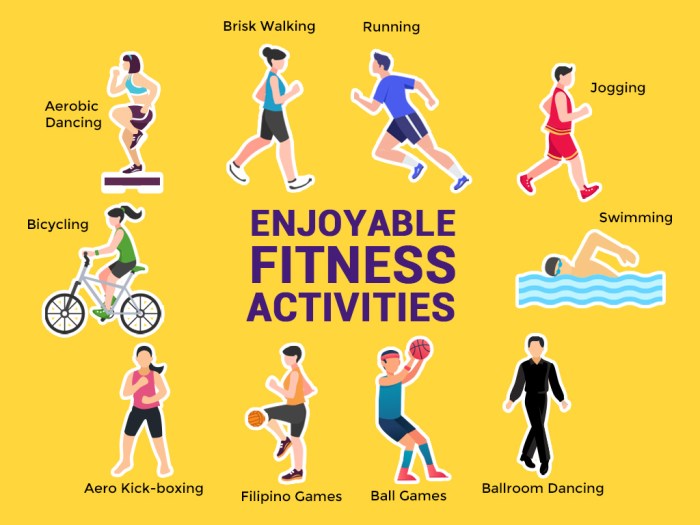
Regular physical activity is essential for promoting healthy aging. By incorporating an active lifestyle into our daily routine, we can enhance our overall wellbeing and quality of life as we grow older. Exercise plays a crucial role in maintaining mobility and cognitive function, which are key factors in healthy aging.
Role of Exercise in Healthy Aging
Regular exercise helps improve muscle strength, flexibility, and balance, which are important for preventing falls and maintaining independence as we age. Physical activity also stimulates blood flow to the brain, promoting cognitive function and reducing the risk of age-related cognitive decline. By staying active, older adults can improve their overall physical and mental health, leading to a higher quality of life in their later years.
- Engage in aerobic exercises like walking, swimming, or cycling to improve cardiovascular health and endurance.
- Incorporate strength training exercises using resistance bands or weights to maintain muscle mass and bone density.
- Practice balance exercises such as yoga or tai chi to reduce the risk of falls and improve stability.
- Stay socially active by participating in group fitness classes or joining community events to stay motivated and connected with others.
Tips for Staying Active and Healthy
As we age, it’s important to listen to our bodies and adjust our exercise routine accordingly. Here are some tips to help older adults stay active and healthy:
- Consult with a healthcare provider before starting a new exercise program to ensure it is safe and appropriate for your current health status.
- Set realistic goals and create a balanced workout routine that includes a mix of aerobic, strength training, and flexibility exercises.
- Stay hydrated and fuel your body with nutritious foods to support your energy levels and recovery after exercise.
- Listen to your body and take rest days when needed to prevent overtraining and reduce the risk of injury.
Active Lifestyle
An active lifestyle involves engaging in regular physical activity and exercise to maintain overall health and well-being. It includes activities that increase heart rate, strengthen muscles, and improve flexibility.
Regular physical activity has numerous benefits on overall health. It helps in maintaining a healthy weight, reducing the risk of chronic diseases such as heart disease, diabetes, and stroke. Physical activity also boosts mood, improves mental health, and enhances cognitive function.
Examples of Activities for an Active Lifestyle
- Brisk walking or jogging
- Cycling
- Swimming
- Dancing
- Yoga or Pilates
- Strength training exercises
Cardiovascular Health
Regular physical activity plays a crucial role in maintaining cardiovascular health. By incorporating an active lifestyle into your daily routine, you can significantly improve the health of your heart and reduce the risk of heart disease.
Benefits of Exercise for Heart Health
- Improves circulation and blood flow throughout the body
- Strengthens the heart muscle, making it more efficient
- Lowers blood pressure and reduces cholesterol levels
- Helps maintain a healthy weight and reduce the risk of obesity
- Reduces stress and improves overall mental wellbeing
Examples of Cardiovascular Exercises
- Brisk walking or jogging
- Cycling
- Swimming
- Aerobic exercises like dancing or jumping rope
- High-intensity interval training (HIIT)
Healthy Recipes: Incorporating An Active Lifestyle Into Daily Routine
Incorporating an active lifestyle into daily routine – When it comes to maintaining an active lifestyle, nutrition plays a crucial role in fueling our bodies and supporting our fitness goals. Eating a balanced diet with healthy recipes can provide the necessary nutrients to help us stay energized and perform at our best.
Nutrient-Dense Meal Ideas
Here are some healthy recipe ideas that can complement an active routine:
- Quinoa Salad with Mixed Vegetables: A nutrient-packed meal that is high in protein and fiber to keep you full and satisfied.
- Grilled Salmon with Roasted Sweet Potatoes: Rich in omega-3 fatty acids and vitamins, this dish is perfect for muscle recovery and overall health.
- Vegetable Stir-Fry with Tofu: A plant-based option that is high in antioxidants and protein, ideal for supporting muscle repair and growth.
Importance of Balanced Nutrition
Consuming a variety of nutrient-dense foods is essential in achieving fitness goals and maintaining an active lifestyle. A balanced diet provides the necessary vitamins, minerals, and macronutrients to support optimal performance and recovery.
Mental Resilience
Regular physical activity plays a crucial role in enhancing mental resilience. Exercise has a profound impact on building mental strength and resilience by improving cognitive function, reducing stress, and boosting overall mood.
Benefits of Exercise for Mental Resilience
Regular exercise not only helps in improving physical health but also has significant benefits for mental wellbeing. Here are some ways in which exercise contributes to building mental resilience:
- Release of Endorphins: Physical activity triggers the release of endorphins, also known as “feel-good” hormones, which can help reduce feelings of stress and anxiety.
- Enhanced Cognitive Function: Exercise has been shown to improve cognitive function, including memory, focus, and decision-making skills, which are essential for overcoming challenges.
- Stress Reduction: Engaging in physical activity can act as a stress-reliever, helping individuals cope with daily stressors and build resilience to handle adversities.
Tips for Building Resilience Through Exercise
Incorporating exercise into your daily routine can be a powerful tool for building mental resilience. Here are some tips on using exercise to overcome challenges and boost your resilience:
- Set Realistic Goals: Establish achievable fitness goals that can provide a sense of accomplishment and boost self-confidence, contributing to mental resilience.
- Stay Consistent: Consistency is key when it comes to reaping the mental benefits of exercise. Find activities you enjoy and make them a regular part of your routine.
- Practice Mindfulness: Combine physical activity with mindfulness techniques such as deep breathing or meditation to enhance the positive impact on mental resilience.
Immune Support
Regular physical activity plays a crucial role in supporting a healthy immune system. Exercise has been shown to boost immunity and reduce the risk of illness by enhancing the body’s defense mechanisms.
Benefits of Exercise for Immunity, Incorporating an active lifestyle into daily routine
- Regular exercise helps to flush bacteria out of the lungs and airways, reducing the chance of getting a cold, flu, or other illness.
- Physical activity promotes circulation, allowing immune cells to move through the body more efficiently and do their job effectively.
- Exercise can also help to reduce inflammation, which is linked to various chronic diseases and can weaken the immune system.
Stress Relief
Physical activity plays a crucial role in stress relief and relaxation. Exercise has been proven to reduce cortisol levels, the hormone responsible for stress, and promote the release of endorphins, also known as the “feel-good” hormones. This combination helps in calming the mind and reducing anxiety.
Incorporating Stress-Relieving Activities
- Practice yoga or meditation: These activities can help in calming the mind, reducing stress, and promoting relaxation.
- Take nature walks: Spending time in nature has been shown to have a calming effect on the mind and reduce stress levels.
- Engage in deep breathing exercises: Deep breathing can help in reducing anxiety and promoting relaxation by calming the nervous system.
- Listen to music: Listening to calming music can help in reducing stress and promoting relaxation.
- Schedule downtime: Make sure to incorporate time for relaxation and self-care in your daily schedule to reduce stress levels.
Nutritional Balance
Maintaining a balanced diet is crucial when incorporating an active lifestyle into your daily routine. Nutrition plays a vital role in supporting energy levels for physical activity and overall well-being. By consuming nutrient-rich foods, you can enhance your active lifestyle and optimize your performance.
Importance of Nutritional Balance
Nutritional balance is essential for providing the body with the necessary nutrients to fuel physical activity and support overall health. A balanced diet ensures that you are getting a variety of vitamins, minerals, carbohydrates, proteins, and fats to meet your body’s requirements. This balance helps in improving energy levels, enhancing recovery after exercise, and supporting muscle growth and repair.
- Include a variety of fruits and vegetables in your diet to ensure you are getting a range of vitamins, minerals, and antioxidants.
- Incorporate whole grains such as brown rice, quinoa, and oats to provide sustained energy for your workouts.
- Opt for lean sources of protein like chicken, fish, tofu, and legumes to support muscle repair and growth.
- Healthy fats from sources like avocados, nuts, and seeds can help in reducing inflammation and supporting heart health.
Popular Questions
How can I easily incorporate healthy habits into my daily routine?
Start small by setting achievable goals like taking short walks during breaks or opting for healthier snack choices.
What are some examples of activities that can be part of an active lifestyle?
Activities like walking, cycling, swimming, or yoga are great ways to stay active and fit.
How does exercise contribute to mental resilience?
Exercise helps release endorphins, which can boost mood and resilience to stress and challenges.


More Stories
Natural Supplements for Stress Relief: Finding What Works for You
Stress relief tips for better sleep – Improve your sleep quality with these expert tips
Emotional Wellbeing and Self-Compassion Practices: Cultivating a Healthy Mind and Heart