Healthy Habits
Incorporating self-care routines into daily life is crucial for maintaining emotional wellbeing and fostering self-compassion. These habits help individuals prioritize their mental health and overall well-being, leading to a more balanced and fulfilling life.
Examples of Small Habits
- Practicing gratitude: Taking a few moments each day to reflect on what you are grateful for can shift your focus to the positive aspects of your life.
- Engaging in mindful breathing exercises: Deep breathing techniques can help calm the mind and reduce stress and anxiety.
- Setting boundaries: Learning to say no when needed and prioritizing your needs can prevent burnout and promote self-care.
Role of Consistency
Consistency is key in maintaining healthy habits for self-compassion practices. By incorporating these routines into your daily life and sticking to them, you create a sense of stability and routine that can positively impact your emotional well-being. Consistency helps reinforce these habits and makes them more sustainable in the long run.
Emotional Wellbeing
Emotional wellbeing refers to the state of being able to understand and manage our emotions effectively. It plays a crucial role in our overall health and quality of life.
Strategies for Cultivating a Positive Mindset and Emotional Balance
- Practice mindfulness: By being present in the moment and acknowledging your feelings without judgment, you can cultivate a positive mindset.
- Engage in regular physical activity: Exercise releases endorphins that can improve your mood and reduce feelings of stress and anxiety.
- Develop healthy coping mechanisms: Find healthy ways to deal with negative emotions, such as talking to a friend, journaling, or practicing relaxation techniques.
- Cultivate gratitude: Reflect on the things you are grateful for each day to shift your focus from negative to positive thoughts.
Connection Between Emotional Wellbeing and Self-Compassion Practices
Emotional wellbeing and self-compassion practices – Self-compassion involves treating yourself with kindness and understanding, especially during times of struggle or failure. This practice can significantly impact emotional wellbeing by reducing self-criticism and fostering a sense of self-acceptance.
Healthy Aging
Self-compassion practices play a crucial role in promoting healthy aging by fostering a positive mindset and reducing stress levels. When individuals practice self-compassion, they are kinder to themselves, which can lead to improved emotional wellbeing and overall health as they age.
Impact of Emotional Wellbeing on the Aging Process
Emotional wellbeing has a significant impact on the aging process, influencing both physical and mental health outcomes. Older adults who prioritize their emotional health often experience better cognitive function, lower rates of depression, and a higher quality of life compared to those who neglect their emotional wellbeing.
- Engage in regular physical activity: Exercise has been shown to boost mood, reduce stress, and improve overall emotional wellbeing.
- Cultivate social connections: Maintaining relationships with friends and family members can provide emotional support and reduce feelings of isolation.
- Practice mindfulness and meditation: Mindfulness techniques can help older adults manage stress, anxiety, and negative emotions effectively.
- Seek professional help when needed: It’s essential to reach out to a mental health professional if you’re struggling with emotional challenges or mental health issues.
Active Lifestyle
Physical activity plays a crucial role in enhancing emotional wellbeing by promoting the release of endorphins, also known as “feel-good” hormones. Engaging in regular exercise can help reduce feelings of anxiety, depression, and stress, leading to improved overall mental health.
Exercises for Mental Resilience and Self-Compassion
- Yoga: Practicing yoga combines physical postures, breathing techniques, and meditation to promote relaxation, reduce stress, and increase self-awareness.
- Aerobic Exercise: Activities like running, cycling, or dancing can boost mood, improve sleep quality, and enhance self-esteem, contributing to a more positive mindset.
- Strength Training: Lifting weights or using resistance bands not only strengthens the body but also fosters mental strength and resilience by setting and achieving fitness goals.
Relationship between Active Lifestyle and Stress Relief
Regular physical activity can act as a powerful stress reliever by helping to lower cortisol levels, the hormone associated with stress. Exercise also promotes better sleep patterns, increases energy levels, and provides a healthy outlet for managing and reducing stress. By incorporating an active lifestyle into daily routines, individuals can build physical and mental resilience to better cope with life’s challenges.
Cardiovascular Health
Maintaining good cardiovascular health is crucial for overall well-being. Let’s delve into how emotional wellbeing, self-compassion, and stress relief practices play a significant role in promoting a healthy heart.
Link between Emotional Wellbeing, Self-Compassion, and Cardiovascular Health
- Research has shown that individuals with higher levels of emotional wellbeing and self-compassion tend to have lower risks of cardiovascular diseases.
- Self-compassion practices can help reduce stress and anxiety, which are known risk factors for heart conditions.
- Positive emotions and a sense of well-being can lead to better heart health outcomes in the long run.
Benefits of Stress Relief Practices for Heart Health
- Engaging in stress-relief activities such as meditation, deep breathing exercises, or yoga can help lower blood pressure and reduce the risk of heart disease.
- Managing stress effectively can improve heart function and overall cardiovascular health.
- Regular relaxation techniques can contribute to a healthier heart by reducing inflammation and promoting better blood circulation.
Role of Emotional Resilience in Maintaining a Healthy Heart
- Emotional resilience involves the ability to cope with stress, adversity, and life’s challenges in a positive way.
- Individuals with higher emotional resilience are less likely to develop heart problems due to their better stress management skills.
- Practicing self-compassion and building emotional resilience can protect the heart from the negative effects of chronic stress and emotional distress.
Healthy Recipes
Integrating nutritious recipes into your diet can have a profound impact on your emotional wellbeing and self-compassion. A balanced diet plays a crucial role in maintaining good mental health, providing essential nutrients and promoting overall wellness. Meal planning is key to ensuring you are fueling your body with the right foods to support your emotional and physical health.
Nutrient-packed Breakfast Ideas
- Start your day with a colorful fruit smoothie bowl topped with nuts and seeds for a boost of antioxidants and healthy fats.
- Whip up a batch of overnight oats with almond milk, chia seeds, and fresh berries for a fiber-rich and filling breakfast option.
- Scramble eggs with spinach, tomatoes, and feta cheese for a protein-packed meal that will keep you satisfied until lunch.
Balanced Lunch and Dinner Options
- Prepare a quinoa salad with roasted vegetables, chickpeas, and a lemon tahini dressing for a nutrient-dense and flavorful meal.
- Grill salmon and serve it with a side of steamed broccoli and quinoa for a heart-healthy dinner option rich in omega-3 fatty acids.
- Make a batch of vegetable stir-fry with tofu and brown rice for a plant-based meal that is high in protein and fiber.
Snack Ideas for Energy and Mood Boost
- Snack on Greek yogurt with honey and mixed berries for a protein-rich and satisfying treat that can help stabilize blood sugar levels.
- Enjoy a handful of raw almonds and an apple as a quick and nutritious snack to keep energy levels stable throughout the day.
- Blend a green smoothie with spinach, banana, avocado, and almond milk for a nutrient-packed drink that can improve mood and focus.
Mental Resilience
Building mental resilience is essential for navigating life’s challenges and bouncing back from setbacks. It involves developing the ability to adapt and cope effectively with stress, adversity, and trauma.
Defining Mental Resilience
Mental resilience refers to an individual’s capacity to maintain psychological well-being in the face of adversity. It is the ability to bounce back from difficult experiences and endure challenging circumstances without experiencing long-term negative effects on mental health.
- Practicing self-compassion: Being kind and understanding towards oneself in times of struggle can help build resilience. Treat yourself with the same kindness and care you would offer to a friend facing a difficult situation.
- Cultivating a growth mindset: Embracing challenges as opportunities for growth and learning can enhance resilience. Viewing setbacks as temporary and focusing on ways to improve and learn from them can strengthen mental resilience.
- Building a strong support system: Surrounding yourself with supportive and understanding individuals can provide a sense of security and belonging, boosting resilience in times of need.
- Engaging in stress-reducing activities: Practicing mindfulness, meditation, or yoga can help manage stress levels and improve resilience by promoting emotional regulation and mental clarity.
Emotional Wellbeing and Mental Strength, Emotional wellbeing and self-compassion practices
Emotional wellbeing plays a crucial role in fostering mental strength and resilience. When individuals are in a positive emotional state, they are better equipped to handle stress and adversity effectively.
Emotional wellbeing involves recognizing and understanding one’s emotions, managing stress effectively, and developing healthy coping mechanisms to navigate life’s challenges.
Immune Support
Emotional wellbeing plays a crucial role in supporting the immune system. When we prioritize our mental health and practice self-compassion, we can enhance our body’s ability to fight off illnesses and maintain overall wellness.
Self-Compassion Practices for Immune Health
- Practicing mindfulness and meditation to reduce stress levels, which can help strengthen the immune response.
- Cultivating gratitude and positive emotions to boost immune function and overall wellbeing.
- Engaging in regular physical activity to support a healthy immune system.
Impact of Stress Relief on Immune Function
Chronic stress can weaken the immune system, making us more susceptible to infections and illnesses. By finding healthy ways to manage stress, such as through relaxation techniques, exercise, and social support, we can improve immune function and overall health.
Stress Relief
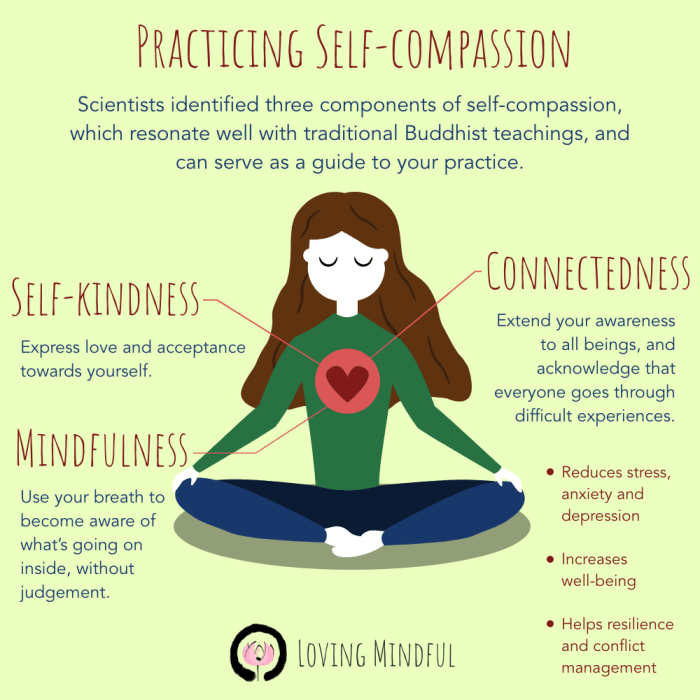
To effectively manage stress and promote emotional balance, it is essential to explore various techniques that can help in alleviating the negative impacts of stress on both the mind and body. By incorporating mindfulness and relaxation practices into your daily routine, you can cultivate self-compassion and build resilience against stressors. Here are some tips for incorporating stress relief activities into your daily life:
Mindfulness Meditation
- Start your day with a short mindfulness meditation session to set a positive tone for the day.
- Practice deep breathing exercises throughout the day to calm your mind and reduce stress levels.
- Take short breaks during work or study hours to focus on your breath and bring your awareness to the present moment.
Physical Exercise
- Engage in regular physical exercise such as yoga, walking, or jogging to release endorphins and reduce stress hormones in the body.
- Join a fitness class or sports activity to stay active and distract yourself from stress triggers.
- Incorporate stretching exercises into your daily routine to relax tense muscles and improve overall flexibility.
Creative Outlets
- Explore creative hobbies such as painting, writing, or crafting to express your emotions and channel your energy positively.
- List the things you are grateful for each day in a gratitude journal to shift your focus from stress to gratitude.
- Create a calming environment at home with soothing music, scented candles, or plants to enhance relaxation and reduce stress levels.
Nutritional Balance: Emotional Wellbeing And Self-compassion Practices
Maintaining a balanced diet plays a crucial role in supporting both emotional wellbeing and self-compassion. The food we consume provides the essential nutrients needed for our bodies to function optimally, impacting our mood, mental wellness, and overall health.
Importance of Nutritional Balance
- Eating a variety of nutrient-dense foods such as fruits, vegetables, whole grains, lean proteins, and healthy fats can help regulate neurotransmitters in the brain, influencing mood and emotional stability.
- A balanced diet rich in vitamins, minerals, and antioxidants can reduce inflammation in the body, which is linked to mental health conditions like depression and anxiety.
- Proper nutrition supports gut health, known as the “second brain,” which communicates with the central nervous system and affects mood, stress levels, and cognitive function.
Impact of Food Choices on Mental Wellness
- Consuming sugary, processed foods can lead to blood sugar spikes and crashes, affecting energy levels and mood stability.
- Inadequate intake of essential nutrients like omega-3 fatty acids, B vitamins, and magnesium has been associated with an increased risk of developing mental health disorders.
- Hydration is also crucial for mental clarity and emotional balance, as dehydration can impair cognitive function and mood regulation.
FAQ Insights
How can self-compassion practices contribute to emotional wellbeing?
Self-compassion practices such as mindfulness and positive affirmations can help individuals cultivate a more compassionate and understanding relationship with themselves, leading to improved emotional wellbeing.
What is the connection between emotional resilience and self-compassion?
Emotional resilience, the ability to bounce back from challenges, is closely linked to self-compassion. By treating oneself with kindness and understanding, individuals can build emotional strength and resilience in the face of adversity.
Can healthy aging be supported by practicing self-compassion?
Absolutely. Self-compassion practices promote a positive outlook on life, reduce stress levels, and contribute to overall emotional wellbeing, all of which are essential for healthy aging.
How does emotional wellbeing impact cardiovascular health?
Emotional wellbeing, including practices like self-compassion and stress relief, plays a significant role in maintaining a healthy heart. By managing emotions effectively, individuals can reduce the risk of cardiovascular issues.


More Stories
Natural Supplements for Stress Relief: Finding What Works for You
Stress relief tips for better sleep – Improve your sleep quality with these expert tips
Incorporating an active lifestyle into daily routine: Tips and Benefits