How to find natural nutritional supplements for stress relief and relaxation is a question many people ask, especially in today’s fast-paced world. Stress is a common experience, affecting our physical and mental well-being. While healthy lifestyle choices are crucial, exploring natural supplements can be a valuable addition to your stress management toolkit.
From calming herbs to adaptogenic mushrooms, the world of natural supplements offers a diverse range of options for promoting relaxation and reducing stress.
Understanding the root causes of your stress is the first step. Whether it’s work-related pressure, relationship issues, or simply the demands of modern life, recognizing your individual triggers can help you identify the most appropriate supplements to address your needs.
While natural supplements can offer support, it’s important to remember that they are not a substitute for professional medical advice or a balanced lifestyle. Consulting with a healthcare professional is always recommended to ensure the safety and effectiveness of any supplements you choose.
Understanding Stress and Relaxation
Stress is a natural human response to demanding situations. It can be triggered by various factors, such as work pressure, financial difficulties, relationship problems, or even positive events like a wedding or a new job. While stress can be beneficial in small doses, chronic stress can have detrimental effects on our physical and mental well-being.
The Physiological Effects of Stress
Stress triggers a cascade of physiological changes in our body. The “fight-or-flight” response, initiated by the release of hormones like adrenaline and cortisol, prepares us to deal with perceived threats. This response, while helpful in the short term, can lead to long-term health issues if it persists.
- Increased heart rate and blood pressure:Stress hormones accelerate the heart rate and constrict blood vessels, raising blood pressure. This can strain the cardiovascular system, increasing the risk of heart disease and stroke.
- Muscle tension:Stress can cause muscle tension, leading to headaches, back pain, and difficulty sleeping.
- Weakened immune system:Chronic stress suppresses the immune system, making us more susceptible to infections and illnesses.
- Digestive issues:Stress can disrupt digestion, leading to symptoms like nausea, diarrhea, constipation, and irritable bowel syndrome.
- Hormonal imbalances:Stress can disrupt the balance of hormones, impacting mood, sleep, and energy levels.
The Psychological Effects of Stress
Stress can also have significant psychological effects, impacting our mood, thoughts, and behavior.
- Anxiety and depression:Chronic stress is a major contributor to anxiety and depression. It can make it difficult to concentrate, make decisions, and enjoy life.
- Irritability and anger:Stress can lead to increased irritability and anger, making it harder to manage conflicts and maintain healthy relationships.
- Difficulty sleeping:Stress can disrupt sleep patterns, leading to insomnia and other sleep disorders.
- Substance abuse:People under chronic stress may turn to alcohol, drugs, or other unhealthy coping mechanisms to manage their stress levels.
The Connection Between Stress and Health Conditions
Chronic stress has been linked to a wide range of health conditions, both physical and mental.
- Heart disease:Stress can contribute to high blood pressure, high cholesterol, and inflammation, increasing the risk of heart disease.
- Stroke:Stress can lead to blood clots, increasing the risk of stroke.
- Obesity:Stress can lead to overeating and weight gain, increasing the risk of obesity.
- Diabetes:Stress can interfere with insulin production and glucose regulation, increasing the risk of type 2 diabetes.
- Autoimmune disorders:Stress can weaken the immune system, increasing the risk of autoimmune disorders like rheumatoid arthritis and lupus.
- Mental health disorders:Stress is a major risk factor for anxiety, depression, and post-traumatic stress disorder (PTSD).
Recognizing and Managing Stress Levels
It’s important to be aware of the signs and symptoms of stress so you can take steps to manage it effectively.
- Physical signs:Muscle tension, headaches, fatigue, digestive problems, difficulty sleeping, increased heart rate, and changes in appetite.
- Emotional signs:Anxiety, irritability, mood swings, feeling overwhelmed, difficulty concentrating, and loss of interest in activities you once enjoyed.
- Behavioral signs:Overeating, substance abuse, social withdrawal, procrastination, and increased conflict with others.
Stress Management Techniques
There are many effective strategies for managing stress.
- Exercise:Regular physical activity can help reduce stress hormones and improve mood.
- Relaxation techniques:Deep breathing exercises, meditation, yoga, and progressive muscle relaxation can help calm the mind and body.
- Sleep hygiene:Getting enough sleep is crucial for managing stress. Aim for 7-9 hours of quality sleep each night.
- Healthy diet:Eating a balanced diet rich in fruits, vegetables, and whole grains can provide the nutrients you need to manage stress effectively.
- Social support:Connecting with loved ones and building strong social connections can provide emotional support and reduce stress levels.
- Time management:Prioritizing tasks, setting realistic goals, and learning to say “no” can help reduce feelings of overwhelm.
- Cognitive reframing:Challenging negative thoughts and replacing them with more positive ones can help reduce stress and anxiety.
The Role of Nutrition in Stress Relief
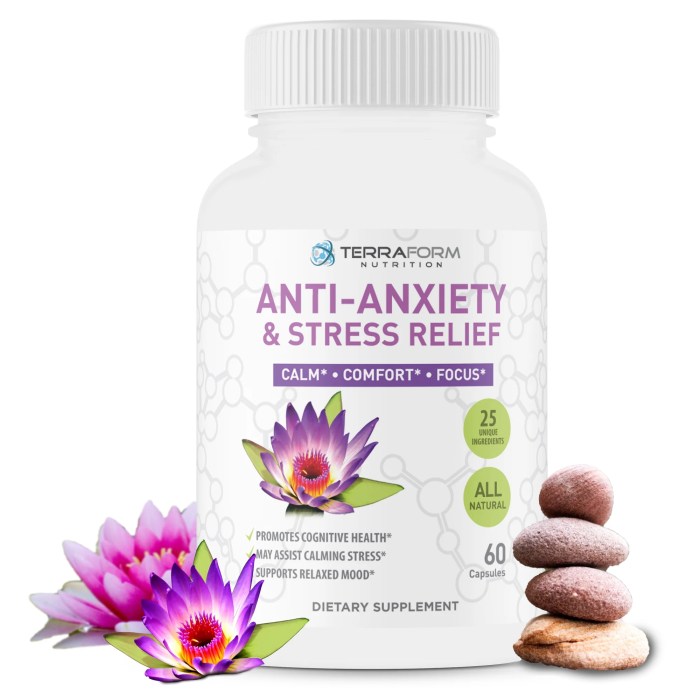
The food we eat plays a vital role in our overall well-being, including our ability to manage stress. Certain nutrients can directly impact our mood, energy levels, and resilience to stress. This section explores how specific nutrients can contribute to stress management and provides a list of natural supplements known to promote relaxation and calmness.
Supplements for Stress Relief
Natural supplements can be valuable tools in managing stress. Here are some common options:
- Magnesium: Magnesium is essential for hundreds of bodily functions, including muscle relaxation and nerve function. When magnesium levels are low, it can contribute to anxiety, irritability, and difficulty sleeping. Magnesium supplements can help replenish these levels, promoting relaxation and reducing stress symptoms.
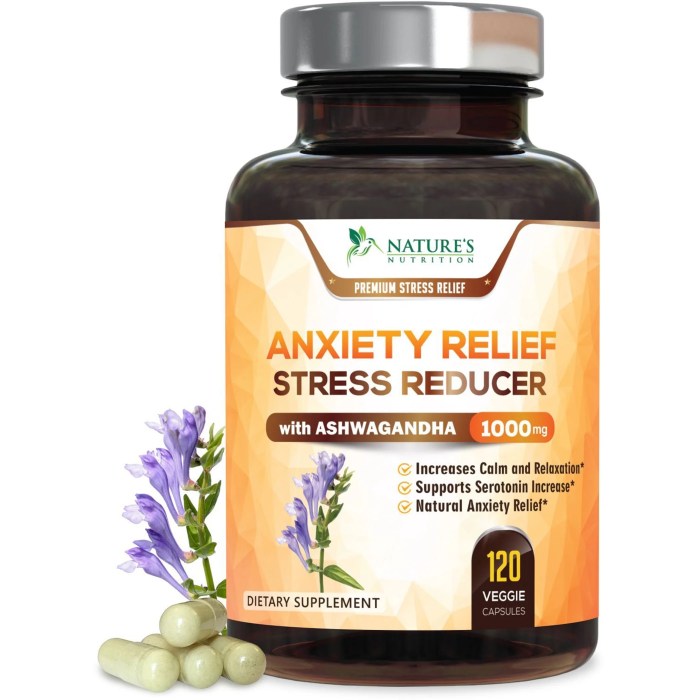
- Ashwagandha: Ashwagandha is an adaptogenic herb that has been used in traditional Indian medicine for centuries. Studies suggest that ashwagandha can help reduce cortisol levels, the stress hormone, and improve mood, sleep quality, and cognitive function.
- L-Theanine: Found in green tea, L-theanine is an amino acid that promotes relaxation and calmness without drowsiness. It works by increasing levels of GABA, a neurotransmitter that inhibits nerve activity, and reducing levels of glutamate, an excitatory neurotransmitter.
- Valerian Root: Valerian root is a popular herbal remedy for insomnia and anxiety. It is thought to work by increasing levels of GABA, promoting relaxation and sleep.
- Chamomile: Chamomile is a calming herb that has been used for centuries to promote relaxation and sleep. It contains an antioxidant called apigenin, which may bind to receptors in the brain that have calming effects.
Beyond Supplements
While natural supplements can play a role in managing stress, a holistic approach that encompasses lifestyle modifications and stress management techniques is essential for long-term well-being.
Mindfulness and Meditation
Mindfulness and meditation practices can help reduce stress by promoting relaxation and improving focus. These techniques involve paying attention to the present moment without judgment, fostering a sense of calm and awareness.
“Mindfulness is the practice of paying attention in a particular way: on purpose, in the present moment, and non-judgmentally.”
Jon Kabat-Zinn
Yoga and Exercise
Regular physical activity, including yoga, is a powerful stress reliever. Yoga combines physical postures, breathing techniques, and meditation to promote relaxation, flexibility, and strength. Exercise releases endorphins, which have mood-boosting effects, and helps reduce stress hormones.
Healthy Sleep Habits
Adequate sleep is crucial for stress management. When you’re sleep-deprived, your body releases more cortisol, a stress hormone. Establishing a regular sleep schedule, creating a relaxing bedtime routine, and optimizing your sleep environment can significantly improve your sleep quality and reduce stress levels.
Balanced Lifestyle
A balanced lifestyle that incorporates healthy eating habits, regular physical activity, and sufficient sleep is fundamental to managing stress.
Maintaining a Healthy Lifestyle for Long-Term Stress Relief
While natural supplements can offer temporary relief, a holistic approach to health and wellbeing is crucial for long-term stress management. Adopting a healthy lifestyle that incorporates key elements like nutrition, exercise, sleep, and stress management techniques can significantly enhance your resilience to stress and promote overall well-being.
Key Components of a Healthy Lifestyle
A healthy lifestyle involves a combination of habits that contribute to your physical and mental well-being. The following table Artikels the key components:
| Component | Description | Benefits |
|---|---|---|
| Nutrition | Consuming a balanced diet rich in fruits, vegetables, whole grains, lean proteins, and healthy fats. | Provides essential nutrients for optimal brain function, reduces inflammation, and supports mood regulation. |
| Exercise | Engaging in regular physical activity, such as brisk walking, jogging, swimming, or yoga. | Releases endorphins, reduces stress hormones, improves sleep quality, and boosts energy levels. |
| Sleep | Getting adequate sleep, typically 7-9 hours per night, to allow the body and mind to rest and repair. | Promotes cognitive function, improves mood, strengthens the immune system, and reduces stress levels. |
| Stress Management Techniques | Practicing techniques like mindfulness, deep breathing exercises, meditation, or spending time in nature to manage stress effectively. | Reduces anxiety, improves focus, enhances emotional regulation, and promotes relaxation. |
Practical Tips for Incorporating Healthy Lifestyle Components
Nutrition
- Eat a balanced diet:Prioritize whole foods, such as fruits, vegetables, lean proteins, and whole grains, over processed foods and sugary drinks.
- Stay hydrated:Drink plenty of water throughout the day to support optimal brain function and reduce stress hormones.
- Limit caffeine and alcohol:These substances can disrupt sleep and increase anxiety.
- Practice mindful eating:Pay attention to your food choices and eat slowly and mindfully, savoring each bite.
Exercise
- Find an activity you enjoy:Whether it’s dancing, swimming, hiking, or yoga, choose something that you find motivating and enjoyable.
- Start gradually:Begin with short sessions and gradually increase the duration and intensity as you build endurance.
- Make it a habit:Aim for at least 30 minutes of moderate-intensity exercise most days of the week.
- Incorporate exercise into your daily routine:Take the stairs instead of the elevator, walk or bike to work, or take a walk during your lunch break.
Sleep
- Establish a regular sleep schedule:Go to bed and wake up at roughly the same time each day, even on weekends, to regulate your body’s natural sleep-wake cycle.
- Create a relaxing bedtime routine:Engage in calming activities like taking a warm bath, reading a book, or listening to soothing music before bed.
- Make sure your bedroom is dark, quiet, and cool:A comfortable sleep environment promotes better sleep quality.
- Avoid caffeine and alcohol before bed:These substances can interfere with sleep.
Stress Management Techniques
- Practice mindfulness:Pay attention to the present moment without judgment, focusing on your breath, bodily sensations, or sounds around you.
- Engage in deep breathing exercises:Deep, slow breaths can help calm the nervous system and reduce stress hormones.
- Try meditation:Meditation involves focusing on a single point, such as your breath, a mantra, or an image, to quiet the mind and promote relaxation.
- Spend time in nature:Being in nature has been shown to reduce stress, improve mood, and promote feelings of peace and tranquility.
Benefits of a Holistic Approach, How to find natural nutritional supplements for stress relief and relaxation
Adopting a holistic approach to health and wellbeing encompasses mind, body, and spirit. By integrating healthy lifestyle habits, you can:
- Reduce stress and anxiety:A balanced lifestyle helps manage stress hormones and promotes feelings of calm and relaxation.
- Improve sleep quality:Regular exercise, a healthy diet, and stress management techniques contribute to better sleep.
- Boost energy levels:A balanced diet, adequate sleep, and regular exercise provide the body with the energy it needs to function optimally.
- Enhance cognitive function:A healthy lifestyle supports brain health, improving memory, focus, and overall cognitive performance.
- Strengthen the immune system:A healthy lifestyle helps the body fight off infections and illnesses, promoting overall well-being.
- Improve mood and emotional regulation:A balanced lifestyle can help reduce stress and anxiety, leading to improved mood and emotional stability.
End of Discussion
Incorporating natural supplements for stress relief can be a positive step towards a more balanced and relaxed life. Remember, the journey to stress management is individual. Experiment with different options, pay attention to your body’s response, and don’t hesitate to seek guidance from healthcare professionals.
By combining a holistic approach that includes mindful practices, healthy habits, and the right supplements, you can empower yourself to navigate the challenges of life with greater resilience and inner peace.
Clarifying Questions: How To Find Natural Nutritional Supplements For Stress Relief And Relaxation
What are some common natural supplements for stress relief?
Some common natural supplements for stress relief include: Ashwagandha, Chamomile, Lavender, Valerian root, and Magnesium.
How long does it take for natural supplements to work for stress relief?
The time it takes for natural supplements to work for stress relief varies depending on the individual and the specific supplement. Some people may experience benefits within a few days, while others may need several weeks to notice a significant difference.
Are there any side effects to be aware of when taking natural supplements for stress relief?
While generally safe, some natural supplements can cause side effects, especially if taken in high doses or combined with other medications. It’s crucial to consult with a healthcare professional before taking any new supplement, especially if you have any underlying health conditions or are taking medications.


More Stories
Stress relief tips for better sleep – Improve your sleep quality with these expert tips
Incorporating an active lifestyle into daily routine: Tips and Benefits
Emotional Wellbeing and Self-Compassion Practices: Cultivating a Healthy Mind and Heart