Healthy Habits
Maintaining daily healthy habits is crucial for promoting better sleep. These habits not only contribute to overall well-being but also play a significant role in ensuring quality rest during the night.
Consistent Sleep Schedule and Bedtime Routine
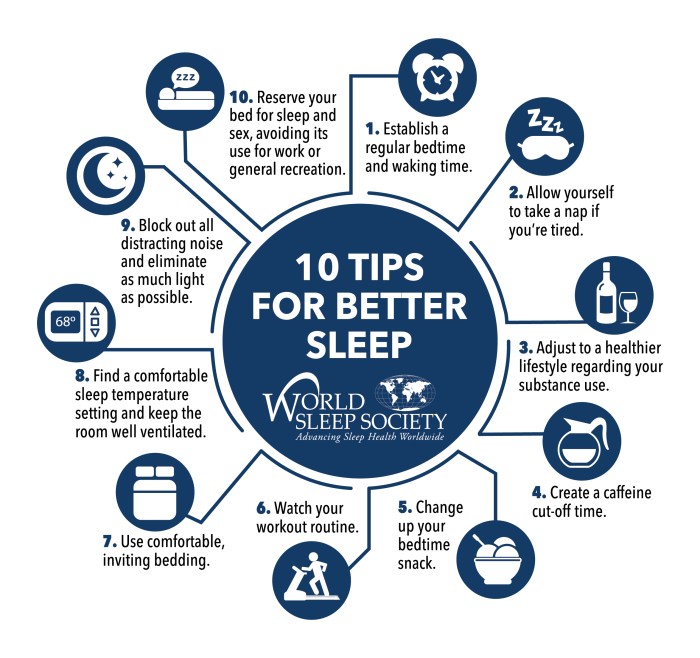
Having a consistent sleep schedule and bedtime routine is essential for regulating your body’s internal clock, also known as the circadian rhythm. This helps your body anticipate when it’s time to wind down and prepare for sleep. Try to go to bed and wake up at the same time every day, even on weekends, to establish a healthy sleep pattern.
Creating a Relaxing Bedroom Environment
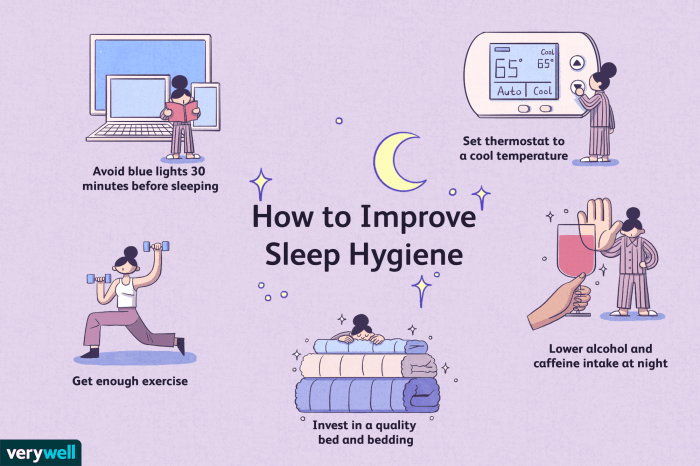
Your bedroom environment can greatly impact the quality of your sleep. Make sure your bedroom is conducive to relaxation by keeping it cool, dark, and quiet. Consider using comfortable bedding, adjusting room temperature, and minimizing distractions like electronic devices. Creating a peaceful atmosphere in your bedroom can help signal to your body that it’s time to unwind and prepare for restful sleep.
Emotional Wellbeing: Stress Relief Tips For Better Sleep
Stress relief tips for better sleep – Emotional wellbeing plays a crucial role in the quality of our sleep. Managing stress and anxiety can significantly impact how well we rest at night.
Reducing anxiety before bedtime is essential for improving sleep. Here are some techniques to help achieve a more peaceful state of mind:
Techniques for Reducing Anxiety
- Avoid screens: Limit exposure to screens such as phones, tablets, and computers at least an hour before bed. The blue light emitted can interfere with melatonin production, making it harder to fall asleep.
- Deep breathing exercises: Practice deep breathing techniques to calm the mind and body. Inhale deeply through your nose, hold for a few seconds, and exhale slowly through your mouth.
- Progressive muscle relaxation: Tense and then relax each muscle group in your body, starting from your toes and working your way up. This can help release physical tension and promote relaxation.
- Journaling: Write down any worries or thoughts that are keeping you up at night. Putting them on paper can help clear your mind and reduce anxiety.
Connection between Emotional Wellbeing and Sleep
Our emotional state directly impacts our ability to achieve restful sleep. High stress levels can lead to insomnia, restless sleep, and frequent awakenings throughout the night. By prioritizing emotional wellbeing and implementing stress-reducing techniques, we can create a more conducive environment for peaceful and rejuvenating sleep.
Healthy Aging
Adequate sleep is crucial for healthy aging as it plays a significant role in various aspects of overall well-being. From physical health to cognitive function, quality sleep can positively impact how we age.
Sleep disturbances are common among older adults, leading to issues such as insomnia or difficulty staying asleep. Here are some tips to help combat sleep disturbances and achieve better rest:
Tips for Better Sleep in Older Adults
- Establish a consistent bedtime routine to signal to your body that it’s time to wind down.
- Avoid heavy meals, caffeine, and electronic devices close to bedtime to promote better sleep quality.
- Create a comfortable sleep environment with a supportive mattress and appropriate room temperature.
- Engage in regular physical activity during the day to promote better sleep at night.
- Practice relaxation techniques such as deep breathing or meditation to reduce stress and anxiety before bedtime.
Role of Sleep in Cognitive Function
Sleep is essential for maintaining cognitive function as we age. During sleep, the brain consolidates memories, processes information, and supports overall brain health. Lack of quality sleep can lead to cognitive decline and increased risk of conditions like dementia.
In conclusion, prioritizing sleep and addressing sleep disturbances are key components of healthy aging. By following these tips and recognizing the importance of sleep for cognitive function, older adults can enhance their overall well-being and quality of life.
Active Lifestyle
Regular physical activity plays a crucial role in reducing stress levels and promoting better sleep. Exercise can help release endorphins, improve mood, and regulate hormones that impact sleep patterns.
Best Types of Exercises for Good Sleep Patterns
- Aerobic exercises such as walking, running, or cycling can help improve sleep quality by reducing anxiety and stress levels.
- Yoga and Pilates are great options to relax the body and mind, promoting better sleep by reducing muscle tension and calming the nervous system.
- Strength training exercises like weightlifting can also contribute to better sleep by enhancing overall physical health and promoting relaxation.
Timing of Workouts for Optimal Sleep Results
It is recommended to schedule workouts earlier in the day or at least a few hours before bedtime to avoid disrupting sleep patterns. Exercising too close to bedtime may increase alertness and make it harder to fall asleep. Finding a consistent exercise routine that works best for your body and sleep schedule is key to reaping the full benefits of physical activity on sleep quality.
Cardiovascular Health
Sleep plays a crucial role in maintaining cardiovascular health. Poor sleep quality or insufficient sleep can have negative effects on heart health, increasing the risk of heart disease, high blood pressure, and other cardiovascular conditions.
Stress relief techniques can benefit heart health by promoting relaxation, reducing inflammation, and lowering blood pressure. Practices such as deep breathing exercises, meditation, and yoga can help alleviate stress and improve overall cardiovascular well-being.
Impact of Sleep on Cardiovascular Health
Quality sleep is essential for cardiovascular health as it allows the body to repair and rejuvenate. During deep sleep, the heart rate slows down, blood pressure decreases, and the body releases hormones that help regulate stress and inflammation. Lack of sleep can disrupt these processes, leading to increased strain on the heart and blood vessels.
Benefits of Stress Relief Techniques for Heart Health
- Reduced inflammation: Chronic stress can contribute to inflammation in the body, which is a risk factor for cardiovascular disease. Stress relief techniques can help lower inflammation levels and protect the heart.
- Lower blood pressure: Stress can elevate blood pressure, putting extra strain on the heart. By reducing stress through relaxation techniques, blood pressure can be better controlled.
- Improved heart function: Practices like meditation and deep breathing can promote heart health by enhancing relaxation, reducing the workload on the heart, and improving overall cardiovascular function.
Importance of Sleep Quality for Cardiovascular Well-being, Stress relief tips for better sleep
Ensuring a good night’s sleep is crucial for maintaining cardiovascular well-being. Quality sleep allows the heart and blood vessels to rest and repair, promotes healthy blood pressure levels, and supports overall heart function. By prioritizing sleep and incorporating stress relief techniques, individuals can take proactive steps to protect their cardiovascular health.
Healthy Recipes
When it comes to promoting better sleep and reducing stress, the role of nutrition cannot be overlooked. Eating the right foods at the right time can significantly impact your sleep quality and overall well-being. Here are some bedtime snack recipes that can aid in relaxation and promote a restful night’s sleep:
Bedtime Snack Recipes
- Warm Milk with Honey: A classic bedtime drink that can help calm your nerves and promote relaxation before sleep.
- Chamomile Tea: Known for its calming properties, a cup of chamomile tea can help reduce stress and anxiety, allowing you to drift off peacefully.
- Banana with Almond Butter: Bananas are rich in magnesium and potassium, which can help relax muscles and regulate sleep patterns. Pairing it with almond butter adds healthy fats and protein to keep you satisfied throughout the night.
In addition to these recipes, incorporating certain foods into your daily diet can also contribute to stress relief and better sleep. Here’s a list of foods that are known to have calming effects and promote restful sleep:
Foods for Stress Relief and Better Sleep
- Fatty Fish (such as salmon, mackerel, or trout): Rich in omega-3 fatty acids, these fish can help reduce stress and promote relaxation.
- Leafy Greens (such as spinach, kale, or Swiss chard): Packed with magnesium, leafy greens can help relax muscles and improve sleep quality.
- Whole Grains (such as oats, quinoa, or brown rice): Complex carbohydrates found in whole grains can boost serotonin levels, promoting feelings of calmness and relaxation.
Mental Resilience
Building mental resilience is crucial for managing stress and improving sleep quality. When individuals are mentally resilient, they are better equipped to handle life’s challenges and bounce back from setbacks. This can lead to reduced stress levels, which in turn can positively impact sleep patterns.
Mindfulness and Meditation Techniques
- Practicing mindfulness involves being fully present in the moment, focusing on sensations, thoughts, and emotions without judgment. This practice can help calm the mind before bedtime, promoting better sleep.
- Meditation techniques, such as deep breathing exercises or guided visualization, can also aid in relaxation and stress reduction, ultimately improving sleep quality.
- Regular mindfulness and meditation practices can train the mind to stay calm and centered, even in stressful situations, leading to better overall mental well-being and sleep.
Connection Between Mental Well-being and Restful Sleep
- Positive mental well-being is closely linked to restful sleep, as a calm and balanced mind is more conducive to falling and staying asleep.
- Stress, anxiety, and negative emotions can interfere with sleep patterns, making it harder to achieve a restful night’s sleep.
- By prioritizing mental health and practicing resilience-building techniques, individuals can create a more harmonious relationship between their mental state and sleep quality.
Immune Support
Sleep, stress, and immune function are closely interconnected. Lack of quality sleep can weaken the immune system, making the body more susceptible to infections and illnesses. Chronic stress can also have a negative impact on the immune response, leading to inflammation and increased risk of diseases.
Tips for Strengthening the Immune System through Better Sleep Habits
- Aim for 7-9 hours of quality sleep each night to allow the body to repair and regenerate.
- Create a relaxing bedtime routine to signal to your body that it’s time to wind down.
- Avoid screens and stimulating activities before bed to promote better sleep quality.
- Maintain a consistent sleep schedule, even on weekends, to regulate your body’s internal clock.
- Ensure your sleep environment is conducive to rest, with a comfortable mattress and pillows.
Importance of Sleep in Maintaining a Healthy Immune System
Quality sleep is crucial for a strong immune system. During deep sleep stages, the body produces cytokines, proteins that help combat infections and inflammation. Without sufficient sleep, the production of these immune-boosting substances may decrease, leaving the body vulnerable to illnesses.
Stress Relief
Stress can have a significant impact on our ability to get a good night’s sleep. Incorporating stress relief techniques into your bedtime routine can help alleviate these effects and promote better rest.
Relaxation Techniques for Stress Relief
Here are some examples of relaxation exercises that can help reduce stress levels before bedtime:
- Deep breathing exercises: Practice taking slow, deep breaths to calm the mind and body.
- Progressive muscle relaxation: Tense and relax each muscle group in the body to release tension.
- Mindfulness meditation: Focus on the present moment and let go of worries about the past or future.
- Guided imagery: Visualize a peaceful place or scenario to promote relaxation and reduce stress.
Nutritional Balance
Having a balanced diet plays a crucial role in managing stress levels and improving the quality of sleep. The right combination of nutrients can help regulate hormones, reduce inflammation, and promote relaxation, leading to better overall well-being.
Achieving Nutritional Balance for Better Sleep
Here are some guidelines to help achieve nutritional balance for better sleep:
- Include a variety of fruits, vegetables, whole grains, and lean proteins in your meals.
- Avoid excessive intake of caffeine, sugar, and processed foods, especially close to bedtime.
- Stay hydrated throughout the day by drinking an adequate amount of water.
- Consider incorporating foods rich in magnesium, such as nuts, seeds, and leafy greens, which can help relax muscles and promote sleep.
Connection Between Nutrients and Stress Levels/Sleep Patterns
Specific nutrients can have a direct impact on stress levels and sleep patterns. Here are some examples:
- Omega-3 fatty acids found in fish can help reduce anxiety and improve mood, leading to better sleep quality.
- Complex carbohydrates like whole grains can increase serotonin production, a neurotransmitter that promotes relaxation and sleep.
- Vitamin B complex, present in foods like eggs and leafy greens, is essential for the production of neurotransmitters that regulate mood and stress.
Clarifying Questions
How can daily healthy habits promote better sleep?
Establishing a consistent sleep schedule, creating a relaxing bedtime routine, and maintaining a comfortable sleep environment can all contribute to better sleep quality.
What is the connection between emotional wellbeing and restful sleep?
Managing stress and anxiety before bedtime can positively impact sleep quality, emphasizing the importance of emotional well-being in achieving restful sleep.
How does regular physical activity help in reducing stress levels and promoting better sleep?
Regular physical activity can help in reducing stress levels, promoting relaxation, and contributing to better sleep quality overall.


More Stories
Natural Supplements for Stress Relief: Finding What Works for You
Incorporating an active lifestyle into daily routine: Tips and Benefits
Emotional Wellbeing and Self-Compassion Practices: Cultivating a Healthy Mind and Heart