Healthy Habits

Journaling plays a crucial role in promoting healthy habits by providing a structured way for individuals to track and monitor their daily activities, thoughts, and emotions. It serves as a tool for self-reflection and self-improvement, enabling individuals to establish a routine that supports their overall well-being.
Establishing a Routine
- Journaling in the morning or before bed can help individuals set intentions for the day or reflect on their experiences.
- Writing down daily goals and to-do lists can create a sense of accountability and motivation to accomplish tasks.
- Tracking exercise, nutrition, and sleep patterns in a journal can help individuals identify areas for improvement and make necessary adjustments.
Reinforcing Positive Behaviors
- By documenting moments of gratitude or achievements, journaling can reinforce positive thinking patterns and boost self-esteem.
- Keeping a food journal can increase awareness of eating habits and promote mindful eating practices.
- Writing about challenging situations and emotions can help individuals process and cope with stress in a healthy way.
Emotional Wellbeing: Stress Relief Benefits Of Journaling
Journaling is a powerful tool that can significantly contribute to emotional wellbeing. By putting thoughts and feelings onto paper, individuals can process and release pent-up emotions, leading to a sense of relief and clarity.
Enhanced Emotional Processing
- Journaling allows individuals to express and explore their emotions in a safe and non-judgmental space.
- Through writing, people can identify patterns in their feelings and behaviors, gaining insight into their emotional landscape.
- By reflecting on past journal entries, individuals can track their emotional growth and progress over time.
Increased Self-Awareness, Stress relief benefits of journaling
- Regular journaling promotes self-reflection, helping individuals become more in tune with their thoughts, emotions, and triggers.
- Writing about challenging experiences can provide a deeper understanding of personal reactions and coping mechanisms.
- Journaling can uncover underlying emotions that may have been suppressed or overlooked, fostering a greater sense of self-awareness.
Healthy Aging
Journaling can be a powerful tool in promoting healthy aging by supporting cognitive function, memory, and emotional wellbeing. As individuals age, it becomes increasingly important to maintain mental acuity and emotional balance, and journaling offers a unique way to achieve these goals.
Supporting Cognitive Function and Memory
- Journaling can help seniors exercise their cognitive abilities by engaging in reflective thinking and problem-solving on a regular basis.
- Writing down thoughts, memories, and experiences can stimulate the brain and improve memory retention, potentially reducing the risk of cognitive decline.
- Keeping a journal allows seniors to track their thoughts and emotions, providing valuable insights into their mental processes and helping them stay mentally sharp.
Maintaining Mental Acuity and Emotional Balance
- Journaling serves as a creative outlet for seniors to express their feelings, process emotions, and cope with life changes that come with aging.
- Regular journaling can enhance self-awareness, promote mindfulness, and reduce stress, contributing to overall emotional wellbeing and resilience.
- By documenting daily activities, accomplishments, and challenges, seniors can gain a sense of purpose and accomplishment, boosting their confidence and self-esteem.
Active Lifestyle
Stress relief benefits of journaling – Journaling can be a powerful tool in helping individuals maintain an active lifestyle by providing a way to set fitness goals, track physical activity, and stay motivated to exercise regularly.
Setting Fitness Goals
One effective way to utilize journaling for maintaining an active lifestyle is by setting specific and achievable fitness goals. By writing down goals such as running a certain distance, lifting a specific weight, or achieving a particular yoga pose, individuals can track their progress and stay accountable.
Tracking Physical Activity
Keeping a journal dedicated to tracking physical activity can help individuals monitor their exercise routines, log their workouts, and record any improvements or setbacks. This allows for better understanding of what activities are beneficial and how to adjust the routine for optimal results.
Motivation to Stay Active
Journaling can serve as a source of motivation by allowing individuals to reflect on their fitness journey, celebrate achievements, and overcome challenges. By documenting how exercise makes them feel and the positive impact it has on their overall well-being, individuals are more likely to stay committed to staying active.
Cardiovascular Health
Journaling is not only beneficial for emotional well-being but can also have a positive impact on cardiovascular health. The act of writing down thoughts, feelings, and experiences can help individuals manage stress, which in turn can reduce the risk of heart-related issues.
Reducing Stress Levels
- Journaling allows individuals to express their emotions and thoughts, reducing the feelings of stress and anxiety that can contribute to heart problems.
- By writing about daily challenges or worries, individuals can gain perspective and find healthy ways to cope, leading to a decrease in stress levels.
Promoting Emotional Well-being
- Improved emotional well-being from journaling can lead to better overall mental health, which is closely linked to heart health.
- Managing emotions through journaling can help individuals maintain a positive outlook and reduce the impact of negative emotions on the cardiovascular system.
Healthy Recipes
Journaling can be a powerful tool in documenting and planning healthy recipes. Keeping a food journal allows you to track your nutritional intake, plan balanced meals, and make more mindful choices when it comes to what you eat. By recording your recipes and meals, you can better understand your eating habits and work towards a healthier lifestyle.
Using a Food Journal for Nutritional Tracking
- Record the ingredients and portion sizes of your meals to track your daily calorie intake.
- Take note of any snacks or drinks consumed throughout the day to monitor your overall nutritional balance.
- Use your food journal to identify patterns in your eating habits, such as emotional eating triggers or nutrient deficiencies.
Meal Planning with Journaling
- Plan your meals in advance and write down a weekly menu in your food journal to ensure a balanced diet.
- Include a variety of fruits, vegetables, whole grains, lean proteins, and healthy fats in your meal plans for optimal nutrition.
- Refer back to your journal to repeat successful recipes and make adjustments for better nutritional balance.
Promoting Mindful Eating Habits
- Use your food journal to log your hunger levels before and after meals to practice mindful eating and avoid overeating.
- Write down your feelings or emotions associated with eating to develop a healthier relationship with food.
- Include notes on the taste, texture, and satisfaction of each meal to become more aware of your food choices.
Mental Resilience
Journaling is a powerful tool that can significantly contribute to strengthening mental resilience. By putting our thoughts and emotions onto paper, we gain clarity and insight into our innermost feelings, allowing us to better understand ourselves and our reactions to different situations. This self-awareness is key to developing resilience, as it enables us to identify triggers, patterns, and coping mechanisms.
Journaling Exercises for Enhancing Coping Mechanisms
- Gratitude Journaling: Start each day by jotting down things you are grateful for, no matter how small. This practice shifts your focus to the positive aspects of life, helping you build a more optimistic outlook.
- Emotional Release Writing: Set aside time to write freely about your emotions without any judgment. This exercise can help you process difficult feelings, release pent-up emotions, and gain a sense of relief.
- Problem-Solving Journaling: Write about challenges you are facing and brainstorm possible solutions. This exercise encourages proactive thinking and empowers you to take control of your circumstances.
Therapeutic Effects of Journaling on Mental Strength
Journaling provides a safe space for self-expression, allowing individuals to confront their fears, insecurities, and traumas. By confronting these inner struggles on paper, individuals can gradually build the resilience needed to face life’s challenges with courage and determination.
Immune Support
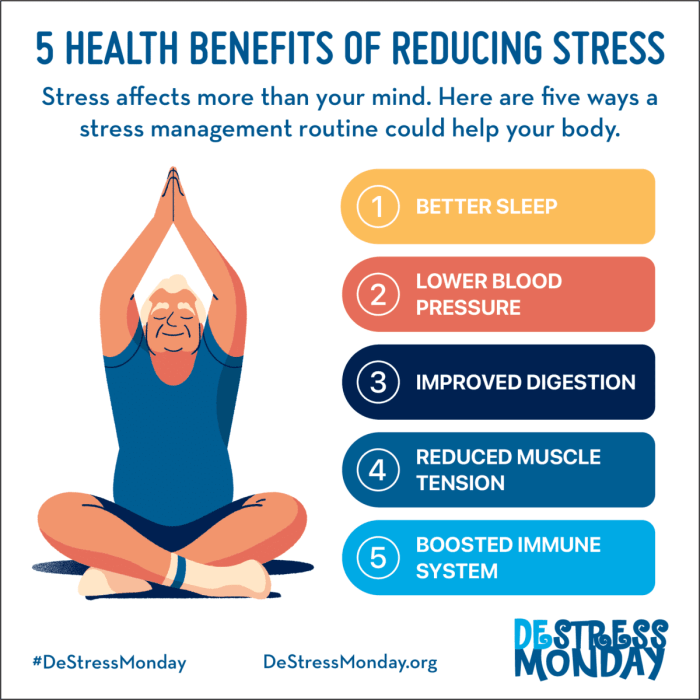
Journaling has been found to have a positive impact on immune support through stress relief. By reducing stress levels, journaling can help boost the immune system’s functioning, leading to better overall health.
Connection between Journaling and Immune Support
- Journaling helps to reduce stress, which can have a direct impact on immune function.
- Chronic stress has been linked to a weakened immune system, making individuals more susceptible to illness.
- By incorporating journaling into daily routines, individuals can better manage stress levels and support their immune system.
Stress Relief
Journaling is a powerful tool that can provide significant stress relief benefits to individuals. By putting thoughts and emotions onto paper, people can gain clarity, process their feelings, and reduce the impact of stress on their overall well-being.
Journaling Techniques for Stress Relief
- Gratitude Journaling: Writing down things you are grateful for can shift your focus to positive aspects of your life, reducing stress and promoting feelings of happiness.
- Stream-of-Consciousness Writing: Allowing yourself to write without any specific structure or editing can help release pent-up emotions and thoughts, leading to a sense of relief.
- Reflective Journaling: Taking time to reflect on your day, identify stress triggers, and explore ways to address them can enhance self-awareness and stress management skills.
- Creative Expression: Using journaling as a creative outlet through drawing, collaging, or using colors can provide a cathartic release and promote relaxation.
Promoting Relaxation, Mindfulness, and Emotional Balance
Journaling encourages individuals to slow down, focus on the present moment, and connect with their emotions. By engaging in regular journaling practices, individuals can cultivate mindfulness, reduce anxiety, and achieve a greater sense of emotional balance.
Nutritional Balance
Maintaining a nutritional balance is crucial for overall health and well-being. Journaling can be a valuable tool to help individuals achieve this balance by tracking dietary choices and monitoring nutritional intake.
Tracking Dietary Choices
- Use a journal to record all meals and snacks consumed throughout the day.
- Include details such as portion sizes, ingredients used, and any beverages consumed.
- Note any cravings or emotional eating patterns that may impact food choices.
Monitoring Nutritional Intake
- Keep track of daily calorie intake and ensure it aligns with individual needs and goals.
- Record macronutrients (carbohydrates, proteins, fats) and micronutrients (vitamins, minerals) consumed.
- Consider using apps or online tools to calculate nutritional values and track progress more efficiently.
Promoting Healthier Eating Habits
- Review journal entries to identify patterns or areas for improvement in dietary choices.
- Set realistic goals for incorporating more fruits, vegetables, whole grains, and lean proteins into meals.
- Use the journal as a tool for meal planning and prepping to ensure a balanced diet throughout the week.
Top FAQs
How can journaling improve emotional wellbeing?
Journaling allows individuals to express and process their emotions, leading to a sense of relief and increased self-awareness.
Can journaling help with stress management?
Absolutely, journaling provides a creative outlet to manage stress effectively and promote relaxation.
What are some tips for incorporating journaling into a daily routine?
Start by setting aside a specific time each day for journaling and make it a priority in your schedule.


More Stories
Immune Support and Gut Health: Enhancing Overall Well-being
Emotional wellbeing and the role of creativity: Enhancing mental health through creative practices
Techniques for improving emotional wellbeing: Enhance your mental health with these proven strategies