Healthy Habits
Maintaining healthy habits is crucial for improving emotional wellbeing. By incorporating simple daily practices into our routine, we can positively impact our overall mental health and happiness.
Examples of Daily Habits
- Regular Exercise: Engaging in physical activity releases endorphins, also known as “feel-good” hormones, which can help reduce stress and anxiety.
- Healthy Eating: Consuming a balanced diet rich in fruits, vegetables, and whole grains can improve mood and energy levels.
- Quality Sleep: Prioritizing sufficient sleep each night is essential for cognitive function and emotional regulation.
- Mindfulness Practices: Activities such as meditation, deep breathing exercises, or yoga can promote relaxation and reduce negative emotions.
Importance of Consistent Routine
Maintaining a consistent routine is key to emotional health as it provides structure and stability in our daily lives. A routine can help reduce feelings of chaos and uncertainty, leading to a sense of control and peace of mind.
Small Lifestyle Changes for Significant Improvements
Even small lifestyle changes can have a profound impact on our emotional wellbeing. Simple adjustments like setting aside time for self-care, establishing boundaries, or practicing gratitude can contribute to a more positive outlook on life.
Emotional Wellbeing
Techniques for improving emotional wellbeing – Emotional wellbeing plays a crucial role in our overall health and happiness. It involves being aware of and accepting our emotions, as well as finding healthy ways to cope with stress and challenges.
Mindfulness Practices for Emotional Wellbeing
Practicing mindfulness can help improve emotional health by increasing self-awareness and reducing negative thought patterns. Techniques such as deep breathing, meditation, and body scans can help calm the mind and promote emotional balance.
Journaling for Emotional Wellbeing
Keeping a journal can be a powerful tool for enhancing emotional wellbeing. Writing down your thoughts and feelings can help you process emotions, gain clarity, and identify patterns that may be affecting your mood. It can also serve as a form of self-expression and a way to track your progress over time.
Personal Experiences with Emotional Wellbeing Strategies
- Practicing gratitude: Taking time each day to reflect on things you are grateful for can shift your focus to the positive aspects of life, improving overall emotional wellbeing.
- Engaging in hobbies: Participating in activities you enjoy can boost your mood and provide a sense of accomplishment, contributing to emotional wellness.
- Seeking support: Opening up to friends, family, or a therapist about your emotions can help you feel heard and supported, enhancing emotional health.
The Role of Social Connections in Emotional Wellbeing
Building and maintaining strong social connections is essential for positive emotional health. Having a support system of friends and loved ones can provide comfort, encouragement, and a sense of belonging. Social interactions can also help reduce feelings of loneliness and isolation, contributing to overall emotional wellbeing.
Healthy Aging
Emotional wellbeing plays a crucial role in healthy aging as it contributes to overall physical health, cognitive function, and quality of life in older adults. Maintaining emotional health can help individuals cope with age-related changes, stressors, and challenges that come with aging.
Tips for Maintaining Emotional Health as You Age
- Stay socially connected: Engage with friends, family, and community to combat feelings of loneliness and isolation.
- Practice stress-reducing activities: Incorporate relaxation techniques such as meditation, deep breathing, or yoga into your daily routine.
- Stay physically active: Regular exercise can boost mood, reduce anxiety, and improve overall emotional wellbeing.
- Seek professional help if needed: Don’t hesitate to reach out to a therapist or counselor for support in managing emotional challenges.
- Stay mentally stimulated: Engage in activities that challenge your brain, such as puzzles, reading, or learning new skills.
Impact of Mental Resilience on the Aging Process
Mental resilience, the ability to adapt to stress and adversity, is essential for successful aging. Older adults with higher levels of mental resilience are better equipped to cope with life’s ups and downs, maintain a positive outlook, and bounce back from setbacks. This resilience can lead to better emotional health, cognitive function, and overall quality of life as individuals age.
Active Lifestyle: Techniques For Improving Emotional Wellbeing
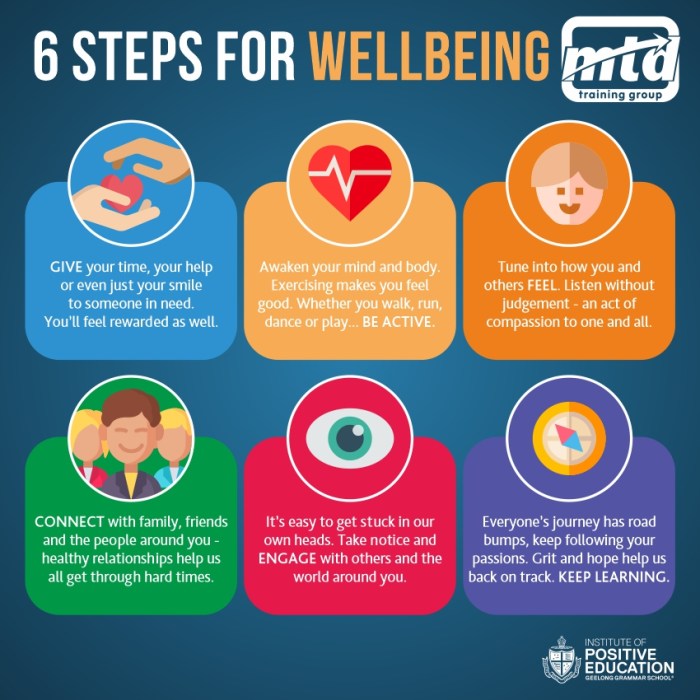
Regular physical activity plays a crucial role in promoting emotional wellbeing by releasing endorphins, reducing stress, improving sleep quality, and enhancing overall mood.
Benefits of Exercise for Emotional Health
- Boosts Endorphins: Engaging in physical activity triggers the release of endorphins, also known as “feel-good” hormones, which can help reduce feelings of anxiety and depression.
- Reduces Stress: Exercise can act as a natural stress reliever by lowering cortisol levels and promoting relaxation, leading to a calmer state of mind.
- Improves Sleep: Regular exercise can regulate sleep patterns, making it easier to fall asleep and stay asleep, resulting in improved emotional stability.
- Enhances Mood: Physical activity stimulates various brain chemicals that can leave you feeling happier and more relaxed, contributing to a positive outlook on life.
Activities for Physical and Emotional Wellness
It’s important to find activities that you enjoy and can easily incorporate into your daily routine for optimal emotional health benefits.
- Yoga: Combines physical postures, breathing exercises, and meditation to promote relaxation, reduce stress, and improve emotional balance.
- Walking or Jogging: Simple yet effective ways to boost mood, increase energy levels, and clear the mind, especially when done outdoors in nature.
- Dancing: Not only a fun form of exercise, but dancing can also release endorphins, improve coordination, and provide a creative outlet for emotional expression.
- Strength Training: Builds muscle, boosts confidence, and enhances overall well-being by promoting a sense of accomplishment and empowerment.
Cardiovascular Health
Cardiovascular health plays a crucial role in our overall emotional wellbeing. The heart and mind are intricately connected, and taking care of our heart can positively impact our mental health.
Improving heart health can directly support emotional wellness. Here are some tips to enhance cardiovascular health and in turn, boost emotional wellbeing:
Tips for Improving Heart Health
- Aim for at least 150 minutes of moderate-intensity aerobic exercise each week, such as brisk walking, swimming, or cycling.
- Follow a heart-healthy diet rich in fruits, vegetables, whole grains, lean proteins, and healthy fats.
- Avoid smoking and limit alcohol consumption to promote heart health.
- Manage stress effectively through relaxation techniques like deep breathing, meditation, or yoga.
Benefits of Stress Management for Cardiovascular and Emotional Health
Stress management techniques not only help in reducing the risk of heart disease but also have a positive impact on emotional wellbeing. When we learn to manage stress, we lower our blood pressure, reduce inflammation, and improve overall heart function. This, in turn, can lead to a more balanced emotional state and better mental health.
Healthy Recipes
When it comes to boosting mood and emotional wellbeing, the right nutrition plays a crucial role. Consuming foods that are rich in certain nutrients can have a positive impact on your emotional health, helping you feel more energized and balanced.
Recipes to Boost Emotional Wellbeing
- Salmon and Avocado Salad:
- Salmon is packed with omega-3 fatty acids, which are known to reduce inflammation and promote brain health. Avocado provides healthy fats and vitamin E, both of which are beneficial for cognitive function and mood regulation.
- Berry and Spinach Smoothie:
- Berries are rich in antioxidants that help combat oxidative stress in the body, which can contribute to mood disorders. Spinach is a great source of magnesium, a mineral linked to lower rates of depression and anxiety.
- Quinoa and Vegetable Stir-Fry:
- Quinoa is a complete protein that contains all essential amino acids, helping to regulate neurotransmitters in the brain. Vegetables like bell peppers and broccoli provide a variety of vitamins and minerals that support overall emotional wellbeing.
Mental Resilience
Building mental resilience is crucial for maintaining emotional wellbeing in the face of life’s challenges. It involves developing the ability to bounce back from setbacks, adapt to change, and cope with stress in a healthy way.
Strategies for Developing Mental Resilience, Techniques for improving emotional wellbeing
- Practice mindfulness and meditation to stay present and manage stress.
- Set realistic goals and break them down into manageable steps.
- Cultivate a strong support system of friends and family.
- Develop problem-solving skills to tackle challenges effectively.
- Embrace change as an opportunity for growth and learning.
The Role of Self-Care Practices
Self-care plays a vital role in building mental resilience by nurturing your physical, emotional, and mental well-being. It involves taking time for yourself, engaging in activities that bring you joy, and prioritizing your health.
Immune Support
When it comes to immune support, emotional wellbeing plays a crucial role in maintaining a healthy immune system. The mind-body connection is strong, and taking care of your emotional health can directly impact your body’s ability to fight off illnesses and infections.
Boosting Immune System Through Emotional Health Practices
- Avoiding chronic stress is key to supporting your immune system. High levels of stress can weaken your immune response, making you more susceptible to illnesses.
- Practicing mindfulness and relaxation techniques, such as meditation or deep breathing exercises, can help reduce stress levels and boost your immune function.
- Engaging in regular physical activity not only benefits your physical health but also improves your mood and overall emotional wellbeing, which in turn supports your immune system.
- Maintaining healthy relationships and social connections can provide emotional support, reducing feelings of loneliness and boosting your immune system.
- Getting an adequate amount of sleep is essential for immune function. Lack of sleep can weaken your immune response and make you more prone to infections.
Impact of Stress on Immune Support and Ways to Manage It Effectively
- Chronic stress can lead to inflammation in the body, which can suppress the immune system’s ability to function properly.
- Managing stress through activities like yoga, spending time in nature, or seeking professional help from a therapist can help reduce the impact of stress on your immune system.
- Practicing gratitude and positive thinking can also help reduce stress levels and support immune function.
- Eating a balanced diet rich in fruits, vegetables, and whole grains can provide essential nutrients that support immune health and help combat the effects of stress on the body.
- Taking time for self-care and relaxation activities, such as reading a book, taking a bath, or listening to music, can help reduce stress levels and support overall immune function.
Stress Relief
Stress is a common part of daily life, but it’s important to find ways to manage and reduce it for better emotional wellbeing. Effective stress relief techniques can make a significant difference in how we feel and function.
Importance of Relaxation and Mindfulness
Relaxation and mindfulness are key components in managing stress levels. Taking time to relax and focus on the present moment can help calm the mind and reduce anxiety. Mindfulness practices, such as meditation or deep breathing exercises, can bring a sense of peace and clarity amidst a hectic day.
Stress-Relief Activities
- Exercise: Physical activity is a great way to reduce stress and boost mood. Whether it’s a brisk walk, yoga session, or dance class, moving your body can help release tension and improve overall wellbeing.
- Journaling: Writing down your thoughts and feelings can be a therapeutic outlet for stress. Keeping a journal can help you process emotions and gain perspective on challenging situations.
- Spending time in nature: Connecting with the outdoors can have a calming effect on the mind. Whether it’s a hike in the woods or simply sitting in a park, being in nature can help reduce stress levels and improve mental clarity.
- Listening to music: Music has the power to influence our emotions and mood. Listening to calming or uplifting music can help reduce stress and promote relaxation.
- Practicing gratitude: Taking time to focus on the positive aspects of life can shift your perspective and reduce stress. Keeping a gratitude journal or simply reflecting on things you’re thankful for can increase feelings of contentment and happiness.
Nutritional Balance

Maintaining a balanced diet is crucial for emotional health as the food we eat directly impacts our mood, energy levels, and overall wellbeing.
Significance of Nutritional Balance
Ensuring a balanced intake of nutrients is essential for supporting emotional wellbeing. A diet rich in vitamins, minerals, and other essential nutrients can help regulate neurotransmitters in the brain, which play a key role in mood regulation and emotional stability.
Tips for Achieving Nutritional Balance
- Include a variety of fruits and vegetables in your daily meals to ensure you’re getting a wide range of vitamins and minerals.
- Incorporate lean proteins such as poultry, fish, beans, and nuts to support muscle health and overall wellbeing.
- Avoid processed foods high in sugar and unhealthy fats, as they can lead to energy crashes and mood swings.
- Stay hydrated by drinking plenty of water throughout the day to support cognitive function and overall health.
- Consider speaking with a nutritionist or dietitian to create a personalized meal plan that meets your specific nutritional needs.
Relationship Between Food Choices and Mood Regulation
Our food choices can significantly impact our mood and emotional state. For example, eating foods high in sugar and refined carbohydrates can lead to spikes and crashes in blood sugar levels, affecting our mood stability. On the other hand, consuming a balanced diet rich in whole foods can help regulate neurotransmitters like serotonin and dopamine, promoting a more stable and positive mood.
FAQ Explained
How can I improve my emotional wellbeing on a daily basis?
By incorporating healthy habits, mindfulness practices, and stress relief techniques into your routine, you can enhance your emotional wellbeing consistently.
What role do social connections play in improving emotional health?
Social connections are vital for maintaining positive emotional health as they provide support, companionship, and a sense of belonging.
How does physical activity contribute to emotional wellbeing?
Physical activity helps release endorphins, reduce stress, and improve mood, all of which contribute to enhanced emotional wellbeing.


More Stories
Stress relief benefits of journaling: Enhancing Wellbeing Through Writing
Immune Support and Gut Health: Enhancing Overall Well-being
Emotional wellbeing and the role of creativity: Enhancing mental health through creative practices